This post may contain affiliate links. This just means I may receive a small commission at no extra cost to you for helping them promote their product or service. I don’t endorse any services I don’t personally use or recommend.
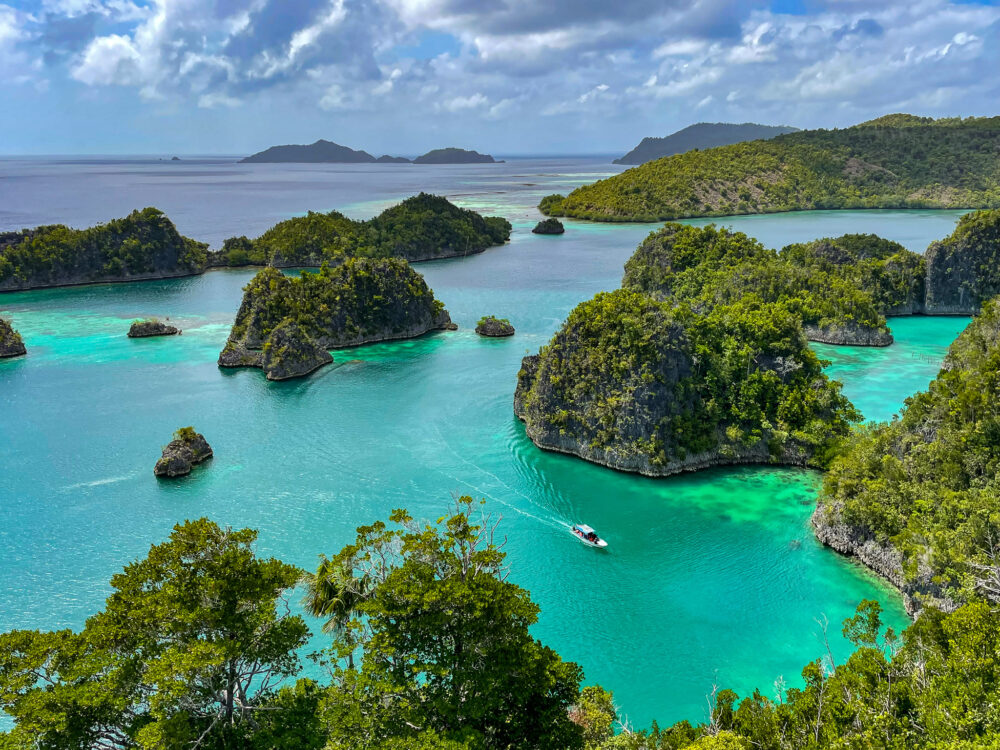
The Maldives are (or should be) synonymous with megafauna. Specifically, sharks, whale sharks, and both Oceanic and Reef Manta Rays. These are some of the most impressive animals that we can see beneath the surface of our oceans. While destinations like Raja Ampat in Indonesia get all the glory when it comes to intact, vibrant coral reefs, the Maldives blows the mega-fauna out of the water.
This blog post is dedicated to those who desperately want to snorkel with manta rays. I will only be covering ethical options in this blog post, though generally, I think you would have a difficult time finding an unethical way to see them in the Maldives. The manta ray excursions I went on in the Maldives were all far more regulated and enjoyable than the Whale Shark ones.
Read More: More interested in Whale Sharks? Check out my full blog post on snorkeling with them in the Maldives.
If you want to snorkel with these gentle giants during your trip to the Maldives, these are the vital pieces of information you need to know.
Quick FAQs About Snorkeling With Manta Rays
Before we get into the nitty-gritty details like which islands and atolls host the most manta rays and the cost of various types of excursions in the Maldives, let’s cover some basics in case you are new to marine exploration or wildlife encounters.
- Manta Rays can in no way harm humans. Steve Irwin died from a stingray, and even that was a freak accident.
- Manta Rays cannot swallow you. While their mouth is huge, their throat is only the size of your fist.
- You cannot touch, harass, or approach any sea life in the water. Let them come to you and avoid touching them always.
- Not every island in the Maldives offers snorkeling with Manta Rays.
Should Beginner Snorkelers Swim With Mantas?
This is the first question I want to address, as many people visit the Maldives with very basic or no swimming skills.
Unfortunately, because you have to venture out to open waters to swim with Mantas, this is not a good excursion for people who do not know how to swim or who are not comfortable in the water. Yes, a life jacket will be provided to you to use, but even so, sometimes tragic accidents occur when large groups of people are swimming near massive marine wildlife, when boats cannot reach them quickly.
In 2025 alone, at least three tourists died during whale shark excursions after being struck by boat propellers. This usually occurs when the tourist is panicked by the water and tries to swim back to their own boat.
For Hanifaru Bay in particular, you must swim in the water for 45 minutes, and boats cannot enter the bay itself as it is protected waters. You should be a confident swimmer.
That being said, it is the ocean, and you do float. I found it to be a relaxing and really enjoyable experience, and I did not use a lifejacket.
Where to Find Mantas in the Maldives
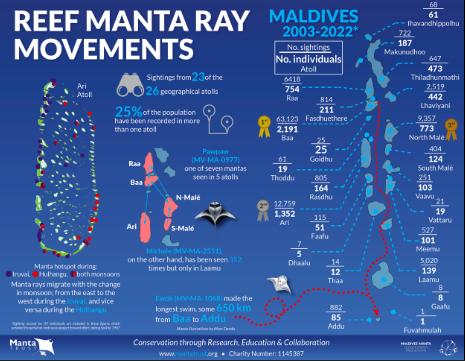
Let’s start with the basics. Mantas require very specific conditions for breeding, cleaning, and feeding, which drives them to spend time in certain areas of the Maldives. You will not find them in all of the atolls.
From May to November: This is widely considered the best Manta Ray season. Unfortunately, this is also monsoon season for the Maldives and off-season for typical beach travel. During this time, you’ll find the Mantas on the Eastern side of the Raa and Baa atolls.
From December to April: Peak season in the Maldives drives the Mantas south. The most common atoll for sightings is the South Ari Atoll.
There are two destinations that you can reliably see Manta Rays year-round. Alif Alif Atoll on the island of Ukulhas, and Addu Atoll/Seenu Atoll in the far south of the Maldives. The former is the easiest of all the destinations to reach on this entire list, and the latter is known to have the largest rays in the Maldives.
Overview of the Atolls Where You Can Find Manta Rays
- Baa/Raa Atoll from May to November
- South Ari Atoll from December to April
- Alif Alif Atoll and Addu Atoll/Seenu Atoll year-round. (North + South Ari Atoll)
What is the Manta Trust?
The Manta Trust is an incredible organization operating in numerous countries around the world that works to protect the crucial waters that Manta, Sharks, and various Ray species need to survive. They also track all the Manta Rays, rescue individuals in danger, and you can help in the conservation efforts by photographing and submitting any sightings you have on their official website.
They work at numerous places in the Maldives, but they have a home base on InterContinental (IHG) island and do a lot of work in the iconic Hanifaru Bay. This is the most popular place to snorkel with Mantas for good reason. But I’ll get to that in a little bit.
Fun Fact: 99% of all the mantas sighted by tourists in the Maldives are reef Manta Rays. They are massive at nearly 5 meters across. The Oceanic Rays (super rare to see) are even bigger, up to 9 meters across.
How Does a Manta Snorkeling Excursion Work?
If you base yourself in one of the above-mentioned atolls, there will be clearly advertised Manta snorkeling excursions. They all require you to take a boat ride out to the open ocean, usually between 20 minutes and 1 hour. They typically cost anywhere from $50-$400 per person, depending on the experience. You get 1 hour maximum in the water with manta rays, no matter where/how you visit. I get that’s a super wide price range, but again, unlike the whale sharks, there are numerous different types of Manta excursions depending on where you are located.
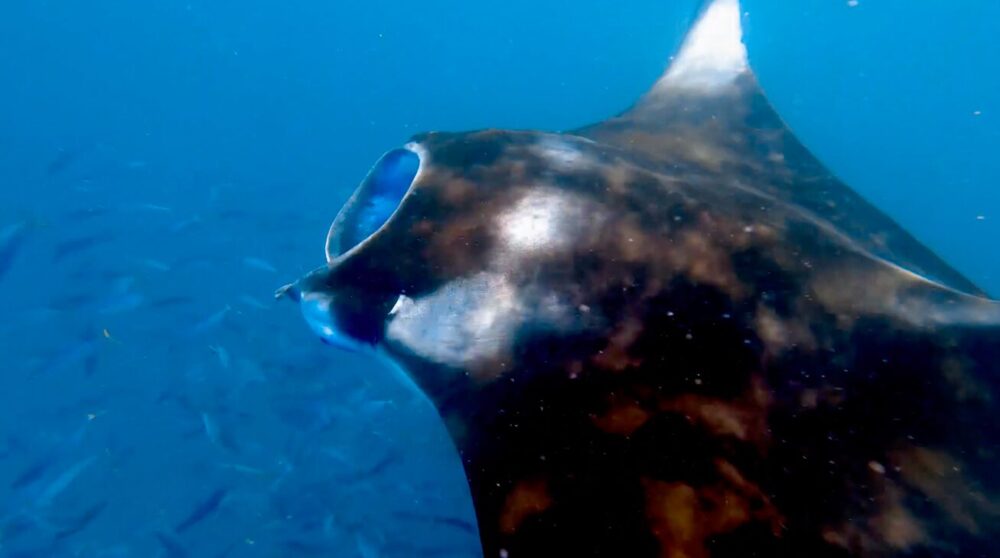
The $50-$100 per person side of the scale can be found on local inhabited islands and is usually a feeding site out in the open ocean.
The higher end of the scale is when you book on resort islands to Hanifaru Bay.
Best Manta Excursions in the Maldives
Let’s look at all the above-mentioned options and compare experiences so you can feel confident you’re choosing the right Manta destination for you.
1. Ukulhas: Budget-Friendly Option
- Price Range: $50-$70 per person
- When to Visit: Year-round
- Notes: The island is easily accessible from Male via public transit.
In my personal opinion, this is the best bang for your buck choice. You can visit the inhabited island of Ukulhas with an easy ferry from Male and then a tour led by local guesthouse operators on the island. They usually take you to a feeding spot near the island where you can see up to a dozen mantas in the open water with no more than a few boats in the water.
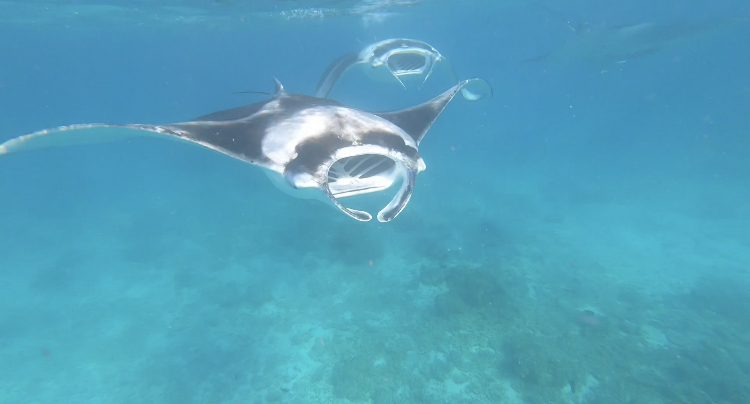
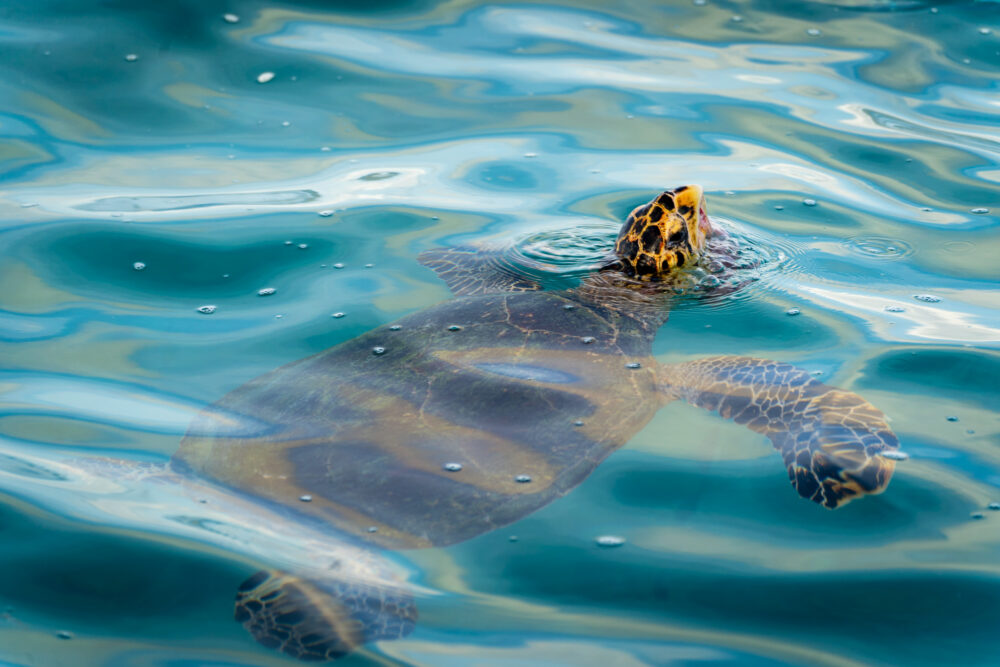
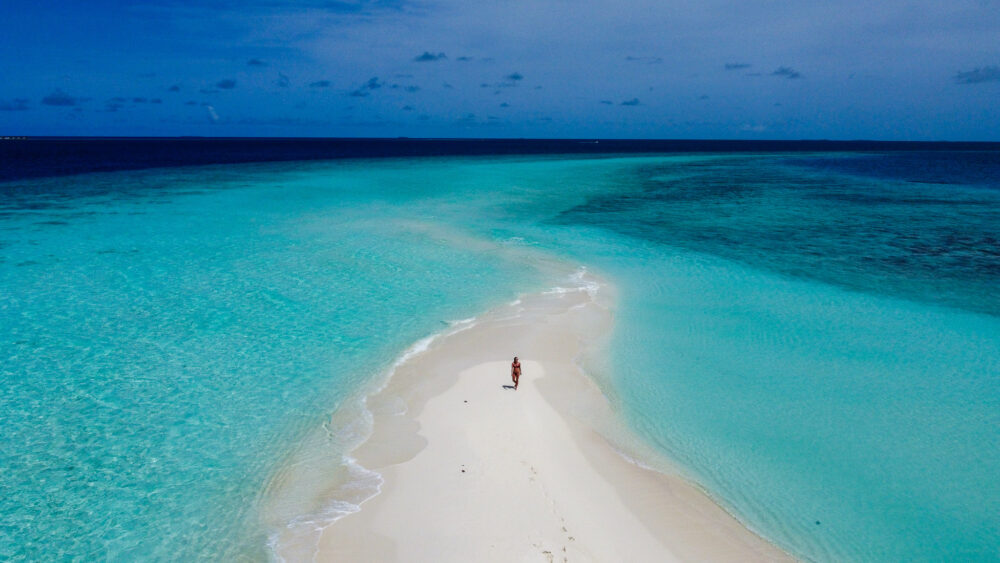
This can cost as little as $50 per person, depending on how large the tour group is. Small islands typically charge a minimum price per head, but also make it cheaper the more people you share the boat with.
Looking for my favorite places to stay in Ukulhas, aka North Ari Atoll? Read my full blog post about the island.
2. Raa/Baa Atolls
- Price Range: $70-$195 per person
- When to Visit: April to November
- Notes: There are also budget options from these atolls priced similarly to Ukulhas. You would just need to stay on one of the inhabited islands and NOT on the resorts.
The standard manta tour experience will be much the same here; you’ll head out on a boat and spend 1 hour in the water if you are lucky enough to spot them. Manta excursions at most resorts cost about $100-$200 per person. The price is set regardless of the number of people on the boat. On the inhabited islands in these atolls, you can save a little more. Typically, excursions cost around $70 per person.
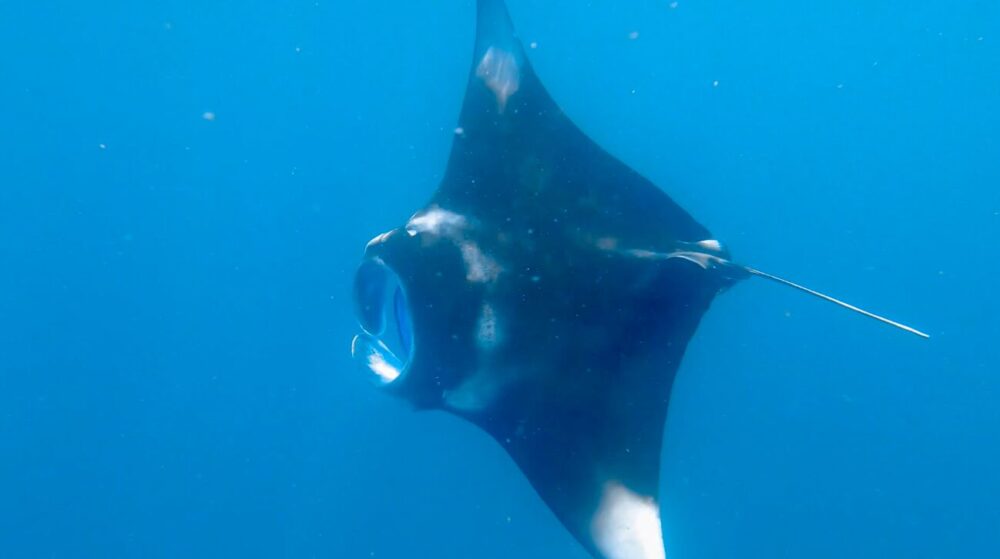
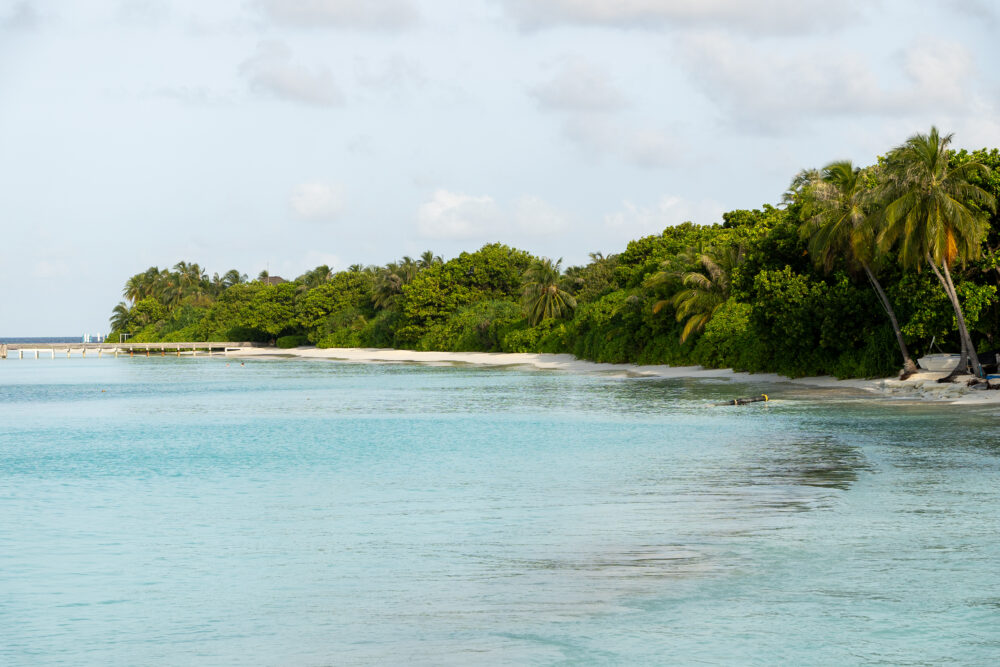
You should know that the only difference between the excursions on resort ot inhabited islands is in price. So if you stay on the resort islands, you will be paying more for the exact same experience.
Read More: If you are hoping to stay at a luxury resort in the Maldives and still swim with Manatas, I recommend Finolhu or IHG InterContinental in Baa and Raa atolls. You can also check out my favorite luxury resorts in the Maldives.
For both #2 and #3, you should be staying in Baa or Raa Atoll. These are my favorite budget-friendly options if you’re not eager to stay in the luxury hotels I mentioned above.
- eMzaz Blue Lagoon. (Rasgetheem Island) This is a part of Raa atoll, which is further from the Mantas, but they still run trips to Hanifaru Bay.
- Coral Castle Guesthouse. (Goidhoo Island) This is Baa atoll, and an excellent location for Mantas.
- Island Zephyr. (Goidhoo Island) Most budget-friendly option on Baa Atoll.
3. Hanifaru Bay: All-Around Most Impressive Option
- Price Range: $100-$400 per person
- When to Visit: May to November
- Notes: You can visit Hanifaru from most resort islands and inhabited islands in the Baa and Raa atolls.
Hanifaru Bay is the single best place in the world to see Mantas. This is because when the plankton here blooms in May, hundreds of the rays flock to these protected waters. The good news is that the Maldivian government protects these waters. The Baa Atoll UNESCO Biosphere Reserve was created in 2011, and now tourism is very strictly regulated.
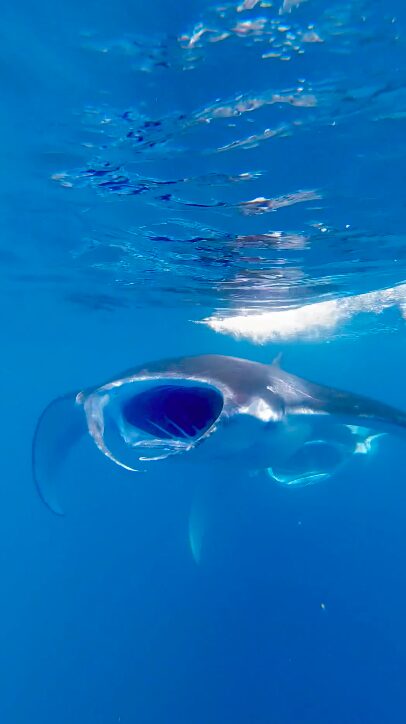
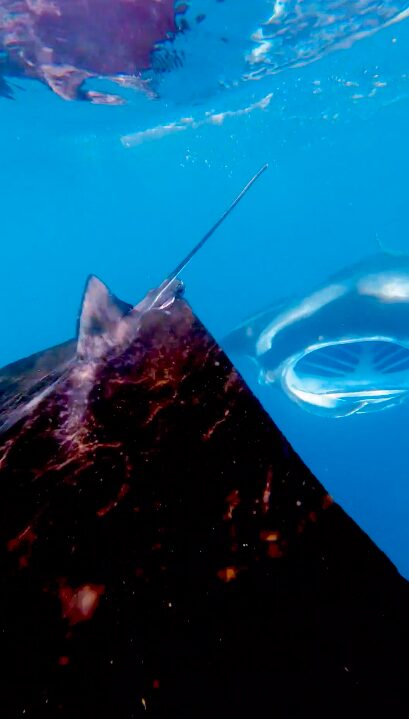
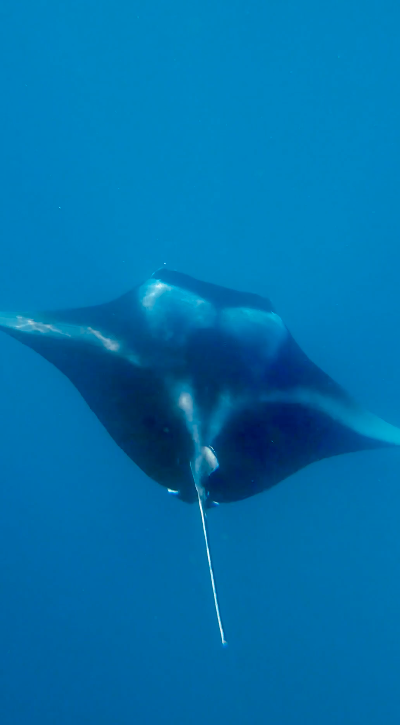
Only a certain number of boats with a certain number of people can come to visit Hanifaru each day. To keep things fair, they alternate between local island days and resort days. This means tours to Hanifaru run only a few times per week, no matter where you are staying. They also only run if the Baa Atoll rangers spot mantas.
There is a $30 fee that goes to the government, as this is a marine national park/protected waters. This is why it is more expensive to visit Hanifaru Bay than other areas.
How Does a Visit to Hanifaru Bay Play Out
Once you reach your accommodation (resort or guesthouse), you should tell them right away you are interested in a visit to Hanifaru so they can request it with the rangers. Then, on the designated days (our resort was Tuesday/Thursday), they waited for the call from the rangers. Once received, they gave us 1 hour’s notice to be ready to head to the bay. Typically, a boat will only go if they have 4+ people interested in a tour.
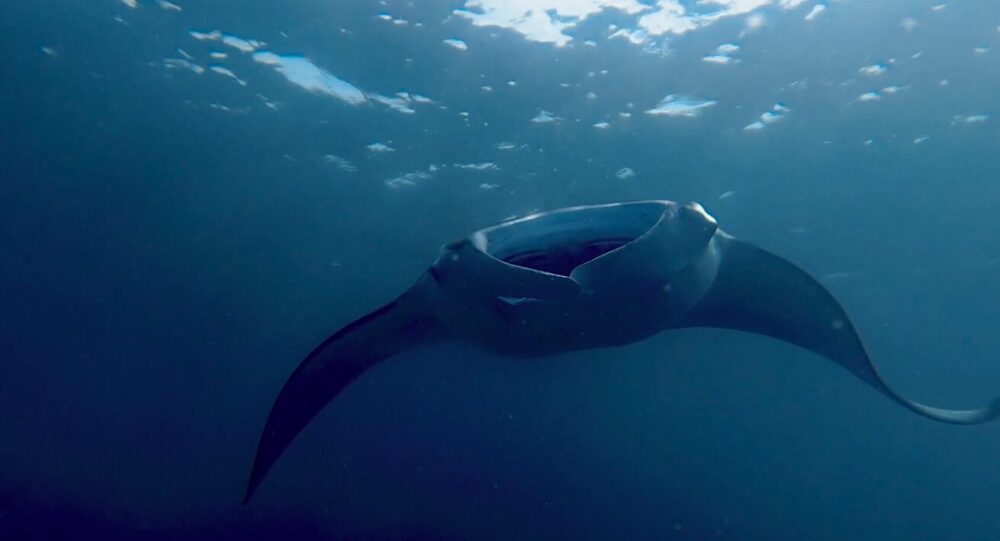
As I mentioned, these waters are highly regulated, and once you set one flipper in the water here, a 45-minute timer begins. For every minute extra you are in the water (this is monitored by drones flying high overhead), the boat operator you are with can be fined. And they will be. You also cannot harass, touch, or otherwise encroach on the Mantas. This, too, is monitored by the drones and will result in a fine.
Note: Diving is prohibited in Hanifaru Bay. If you are hoping to dive with Mantas, you should opt for one of the more typical manta excursions (usually from resorts, as they have the dive centers).
My experience at Hanifaru Bay was sublime. There were about a dozen or so Mantas, and they hung out with us, feeding the whole time. Because the trip is highly regulated, there were also WAY fewer people than at Whale Shark excursions.
Best Time of Year for Hanifaru Bay
As I mentioned above, Hanifaru Bay is at its prime during the “off-season” of the Maldives.
It peaks in July/August usually, but Mantas are seen here en masse as early as May when the plankton begins to bloom. By November, they’ve moved to more Southern waters.
4. Addu Atoll/Seena Atoll (Local Islands)
- Price Range: $50-$100 per person
- When to Visit: Year-round, but best from November to April
- Notes: While this is one of the most affordable snorkeling trip prices, getting to the atoll itself takes a bit of extra work, making this one of the less popular options.
If you’re dead set on seeing an Oceanic Ray, this is the atoll for you. Nearly all Oceanic Ray sightings out of the Maldives come from around Addu. Manta snorkeling and diving are accessible year-round AND at the most affordable prices. Unfortunately, getting to these islands takes A LOT more work than getting to Ukulhas.
Here are a few local guesthouses in the region that offer Manta snorkeling…
- Clove Beach (Gan Island)
- True South (Maradhoofeydhoo Island)
- Wave Sound (Maradhoofeydhoo Island)
Staying at a Resort Island? You can expect similar prices as in the Baa Atolls for the resort snorkeling and diving with Mantas.
5. South Ari Atoll
- Price Range: $50-$100 per person
- When to Visit: Year-round, but best from December to April
- Notes: South Ari Atoll is one of the best atolls for ALL marine life. But fair warning, despite its distance, it’s also one of the most popular. This is great for sharing tours with others, but don’t expect to ever get time alone with the fauna.
South Ari is the only atoll where you have year-round access to both Whale Sharks and Manta Rays. This makes it a highly coveted Maldivian destination for underwater enthusiasts. They have extensive diving programs and lots of sealife excursions available on both luxury resort islands like Lux South Ari and guesthouses on inhabited islands.
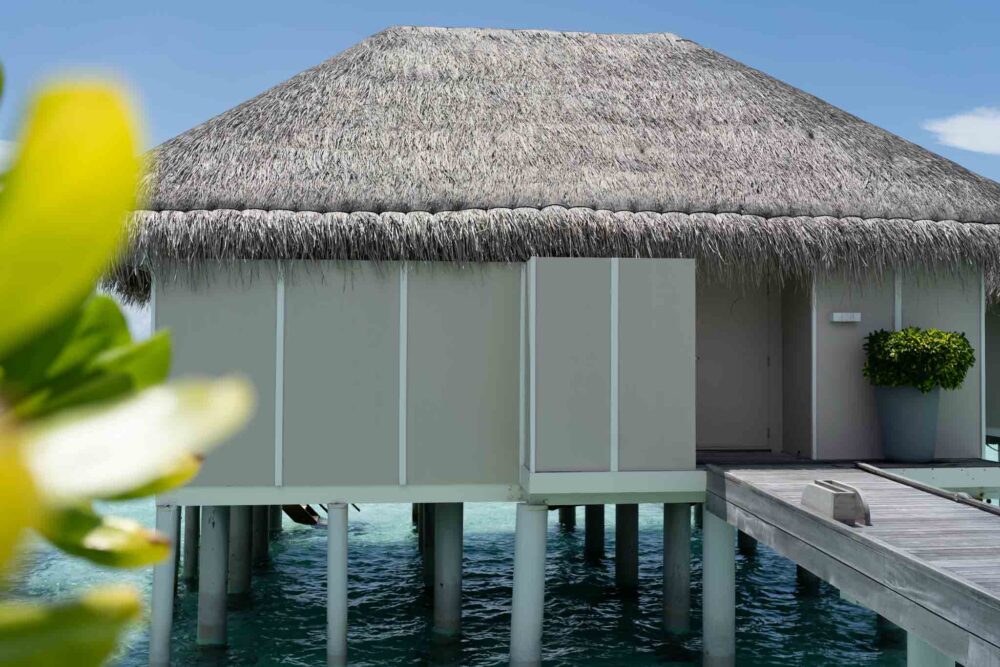
Ari Atoll vs South Ari Atoll? The “Ari Atoll” is the largest natural atoll in the Maldives, at over 100 KM long. Technically speaking, the Ari Atoll also encompasses the island of Ukulhas I mentioned in #1. But that is North Ari or Alif Alif Atoll. The South Ari Atoll is also called Alif Dhaal Atoll. This is the specific region I’m talking about in this section.
As usual, if you want the best price, you should head to the local islands. These are a few guesthouses that offer Manta excursions in the Alif Dhaal atoll.
- Shamar Guesthouse & Dive (Maamigili Island) As the name suggests, this local island also has a dive center, making it an excellent choice for divers or those looking to get PADI-certified.
- Bliss Dhigurah. (Dhigurah Island) The most popular island in the region, which means you’ll likely have discounted tours.
- TME Retreat (Dhigurah Island) The most budget-friendly property available.
Is Snorkeling With Manta Rays in The Maldives Ethical?
Now, we get to the big question. Is this an ethical travel experience? As much as seeking out any wildlife in their natural habitat is ethical, so is this! Nowhere in the Maldives (that I experienced and put on this list) did people allow touching of the Mantas, harass them in any way, or overcrowd them. All in all, I think that as far as marine wildlife attractions go, this is one of the best I’ve encountered in my travels.
Save This Post For Later!