This post may contain affiliate links. This just means I may receive a small commission at no extra cost to you for helping them promote their product or service. I don’t endorse any services I don’t personally use or recommend.
A comprehensive guide to all things Madagascar for intrepid independent travelers and road trippers.
Road Tripping in Madagascar is just beginning to catch on. Hotels are offering grassy lawns for campsites (or building their own), roads are relatively paved, and car rentals are well-equipped with gear to handle the roads that aren’t. Add to that the plethora of incredible landscapes and the literal hundred endemic species that call this island home, and it makes the perfect adventurous road trip destination. They don’t call it the eighth continent for nothing.
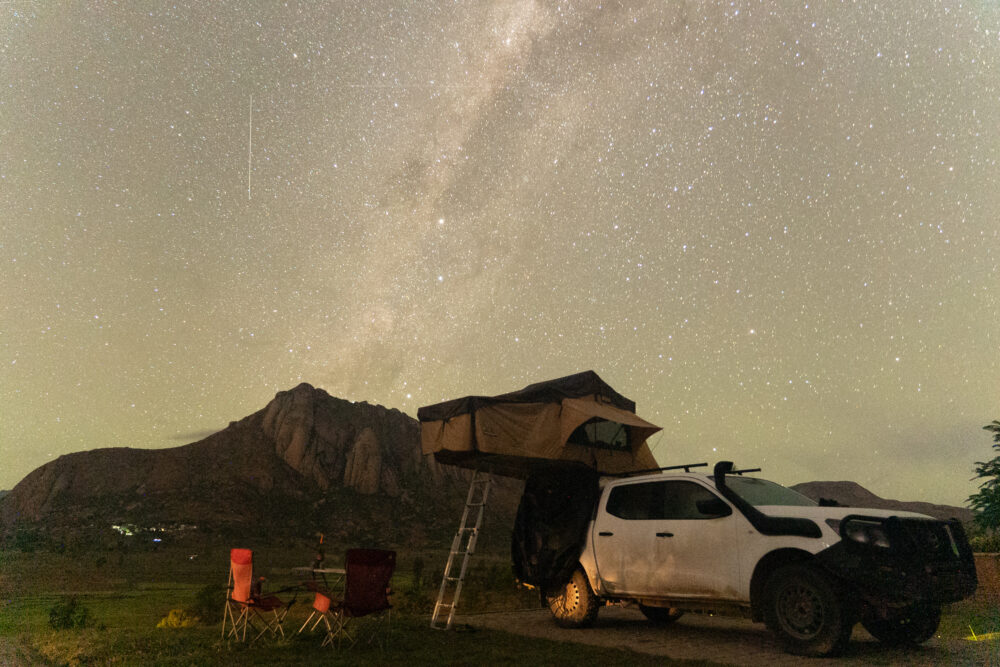
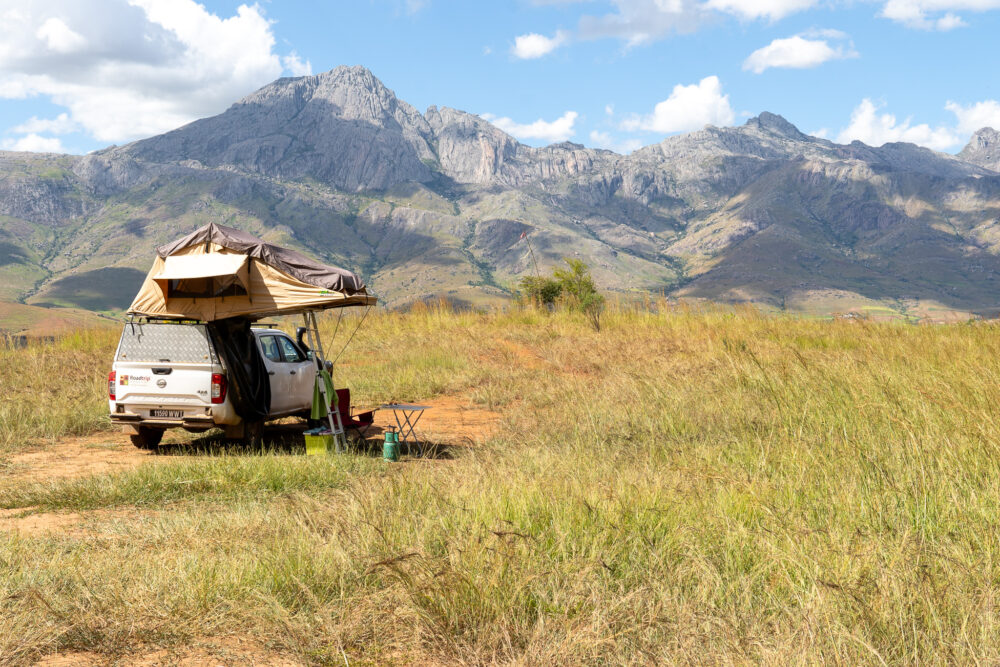
I believe the front seat of a 4×4 is the best way to see the country. That’s why I’ve compiled this full list of helpful info I wish that I had before we set out on our Madagascar road trip. An array of Madagascar road trip tips, if you will. Starting with how to reach the island.
Most Affordable Airports to Reach Madagascar From
Rarely do I waste energy writing “how to reach” a destination. I assume my readers can figure it out for themselves. The route usually looks different depending on which corner of the world you’re departing from.
But Madagascar, due to its remoteness and lack of global connections, is challenging (read expensive) to reach. Not if you travel from India, however. Specifically, Mumbai. After scouring the globe, I’m fairly confident, bar a change in airline operations, that Mumbai offers the most affordable round-trip fares (with one stop) on Kenya Airways at around $500 per person.
Even nearby airports like Kenya’s Nairobi were more expensive. Comical as the layover on this cheap Mumbai fare was in…Nairobi.
If you do happen to find cheaper fares, share the love in the comments and help other travelers get to Madagascar on the cheap.
When to Visit Madagascar
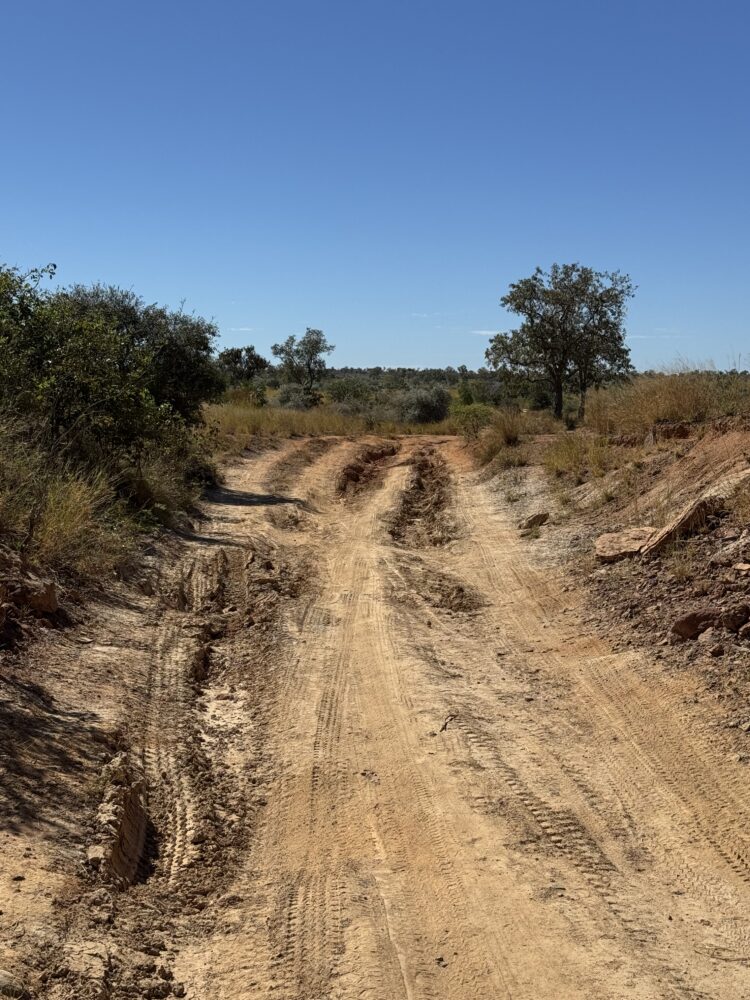
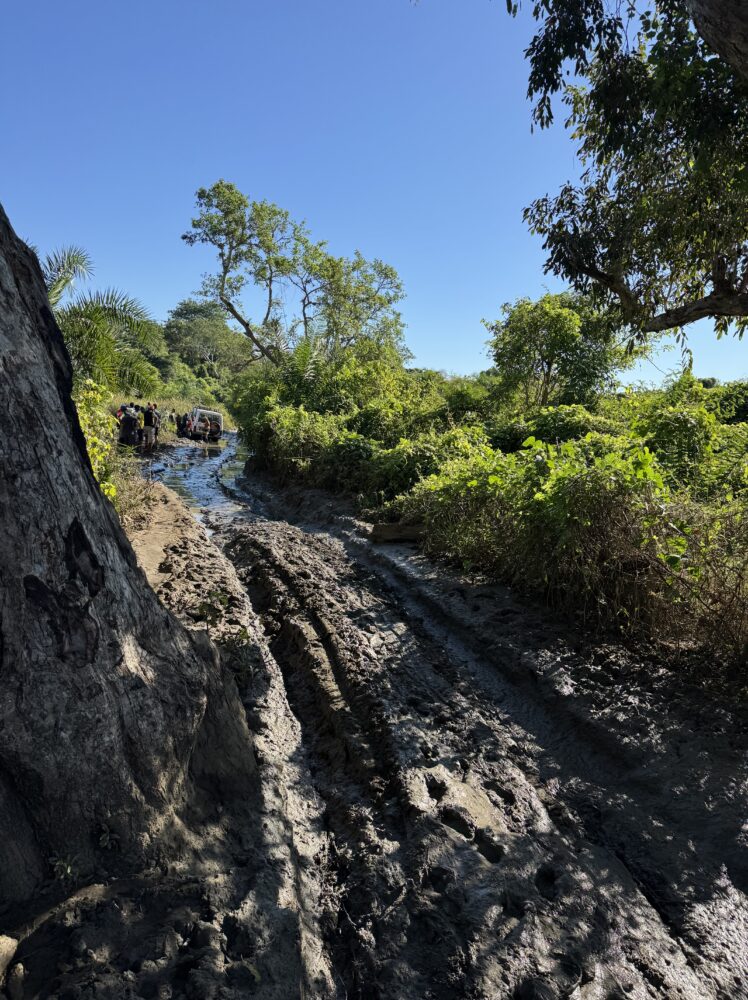
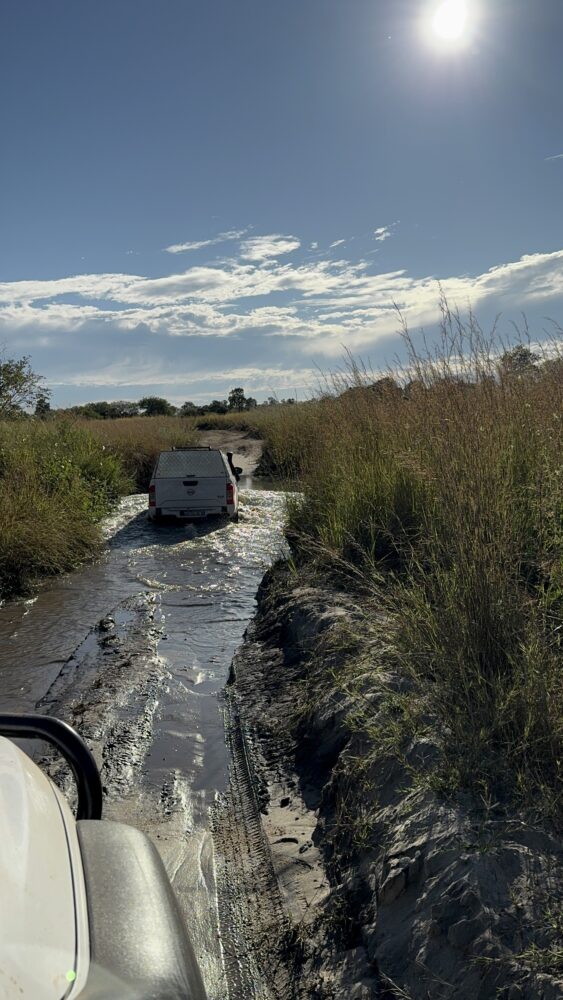
If you’re hoping to road trip in Madagascar, there is a very limited season in which the roads are good for travel.
That time period is Late April-Early November. Outside this time of year, the island is absolutely hammered with rain, many roads become impassable, and floods are a common occurrence.
May is my personal favorite month because it’s before the peak season crowds and has the mildest weather. You can also get a slightly better deal on your car for traveling in the shoulder season.
The off-road areas like Tsingy and Manja open to road travel at the beginning of May (typically), which is something to keep in mind. We started our road trip down the RN7 at the end of April, and by the time we reached the off-roads, we were one of the first vehicles to make the journey that year.
What to Expect in Madagascar
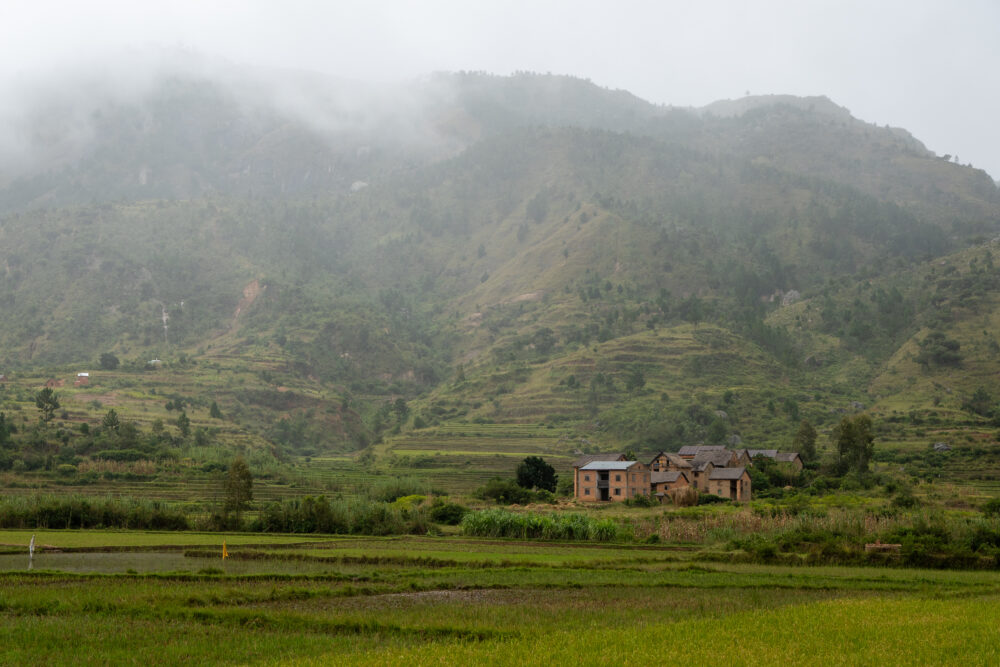
Now that you’ve arrived in the country, let’s manage your expectations. Madagascar is a spectacularly beautiful country with green hilly landscapes and vast open spaces. But the capital of Tana is none of those things.
It’s chaotic, traffic-choked, and difficult to navigate by car or on foot. This is why I recommend staying in the airport adjacent suburb — Ivato. It’s a little nicer, in my opinion. Not as in glitzy nice, more like “cute homestays in a real local village, nearby conveniences like ATMs and grocery stores” nice.
Here are a few things you should expect when traveling in Madagascar.
- People are super kind and always willing to help you.
- Outside of Tana + Ivato, a destination that could be considered a city is rare.
- Luxury travel has not developed the way it has in East Africa. If that’s your jam, you’re likely to leave disappointed.
- Wildlife sightings are pretty much limited to national parks.
- If you are a museum-traveler or someone who needs attractions outside of hiking, driving, nice scenery, and national park hopping, you might not find what you are looking for in Madagascar.
- Even in Tana, electricity will not be a 24/7 service.
- Food is excellent. There is definitely still a French influence. From Foie Gras, Duck, Frog Legs, Wine, Baguette, to more local bites like grilled Zebu and Voanjobory sy Henakisoa (pork with Bambara beans), which were my favorites.
- Madagascar is the buggiest country I’ve visited. And I’ve visited A LOT of buggy countries. Bring all kinds of repellent and a well-stocked first aid kit, as small cuts and wounds don’t heal well in the tropical climate.
Hotels in Madagascar
Your average hotel room in Madagascar will be basic. Because the country struggles to maintain its electric grid, it will have electricity only most or some of the time.
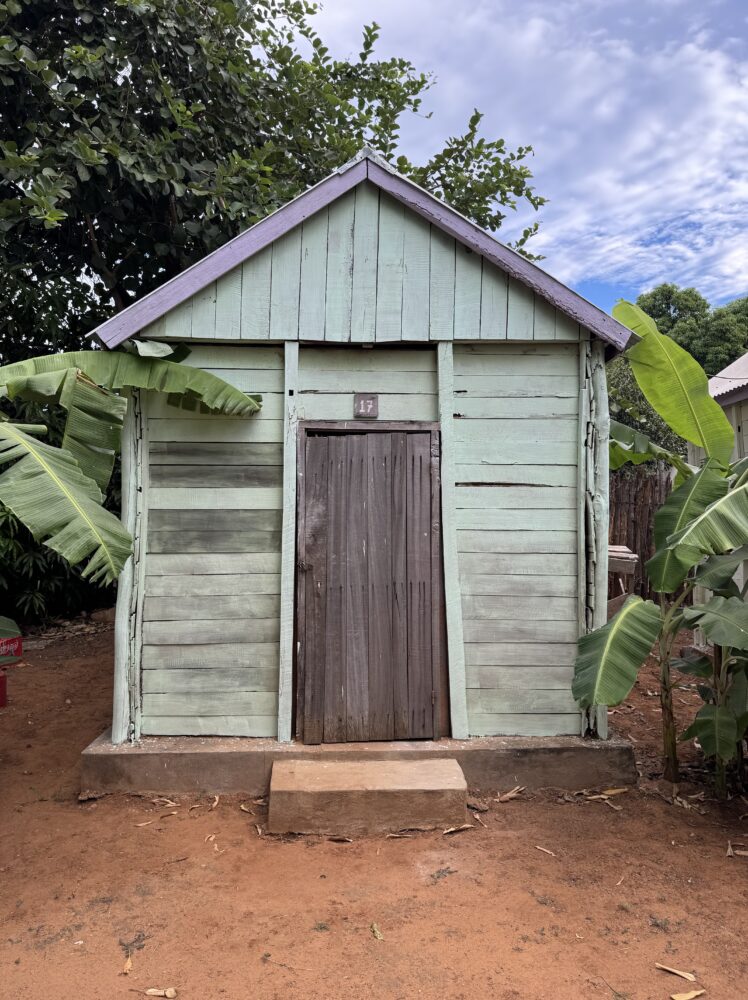
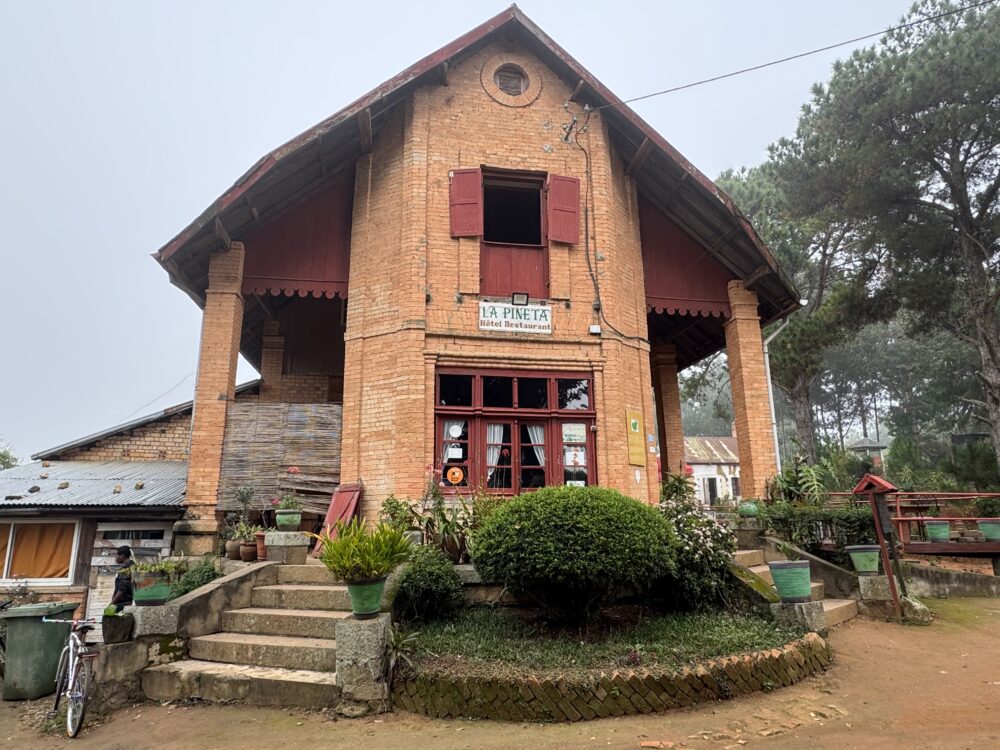
Bedbugs can be a huge problem in Madagascar, and it’s no one’s fault. Bedbugs travel on the bags and clothes of travelers, and once a property has them, it can be challenging to rid themselves of them in this part of the world. This is because the only way to kill them is to dry them in a dryer on high heat. Unfortunately, because laundry is done by hand and hung out in the sun to dry, this is tricky. If you find bedbugs, let the property know and switch rooms.
These are three hotels that I recommend…
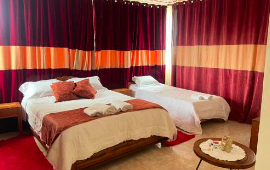
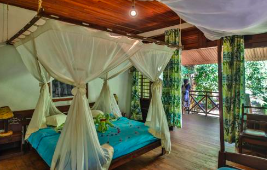
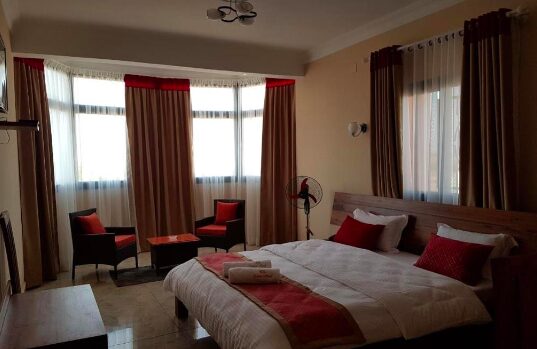
Disclaimer: While you’ll likely notice that the reviews on two of these are mediocre to poor, I stayed in all three hotels and can attest that they were three of the best hotels we stayed at in the country. They are clean, comfortable, and some offer amenities like a semi-clean pool, that really enhanced our stay.
How National Parks in Madagascar Work
In Madagascar, you always need a guide to visit a National Park. This means you’ll pay a park entrance fee + a hike fee that includes your guide. While the park fee is a set amount, the hike fee varies depending on the duration of the hike and which trails you choose. The longer the hike, the higher the fee. Makes perfect sense.
You can also opt for a night walk add-on in some parks (which is an additional fee) or to camp inside the park (which, again, you guessed it, is an additional fee).

Luckily for each park, this is all outlined very openly at the park entrance, so you can choose up front what you want to do.
I go over this more in “tipping” later, but park guides do not get the whole “hike fee,” and they rely heavily on tips to survive. I always threw them some extra at the end of a successful afternoon or morning of stalking animals in the rainforest.
Cost of Travel in Madagascar Overall
You won’t be surprised to learn (probably) that Madagascar is a very poor country.
But that doesn’t mean it’s the most budget-friendly country in the world.
This is because, much like East Africa, the attractions and parks you want to see are priced for tourists. Locals don’t do that kind of stuff. Domestic travel hasn’t really taken off.
Thankfully, it’s still nowhere near as expensive as East Africa.
- An average budget hotel or guesthouse will cost you around $20-$30 per night.
- A campsite for your car will cost you $8-$10 per night.
- A local meal (not at your hotel) is only around $2-$5 per plate.
- The typical entrance fee of a National Park, including whatever hikes and guide fees you do, is usually around $100 for two people. Ballpark.
We averaged around $160 per day for two people, including gas, parks, and our car rental with Road Trip Africa. You can obviously spend WAY less by taking the buses and public transport, but you won’t be able to reach all the parks and pack in as much as we did during our three-week road trip.
Quick List of Helpful Phrases in Madagascar
While French is widely spoken, Malagasy is their native language. They also have numerous local dialects. Here are a few things in Malagasy to learn for fun.
- Hello — Salama
- Thank you — Misaotra
- How much? — Ohatrinona
- Full — Feno (useful for gas)
Should You Self-Drive in Madagascar?
Here is a series of questions to ask yourself if you’re considering self-driving in Madagascar.
- Can I drive a manual vehicle?
- Am I comfortable navigating potholes and dirt roads?
- Do I have at least 1 week to devote to a road trip?
- Am I willing to pay a little extra for the comfort of choosing my own schedule and the adventure of doing it myself?
- Do I have an international driver’s license?
If you answered yes to all of those questions, then you should 100% rent a 4×4 to explore Madagascar on your own. It’s perfectly doable even for beginners if you’re planning on sticking to the RN7. More advanced off-roaders can take my three-week itinerary and enjoy scenic detours through the less-paved portions of the country.
Road Conditions in Madagascar
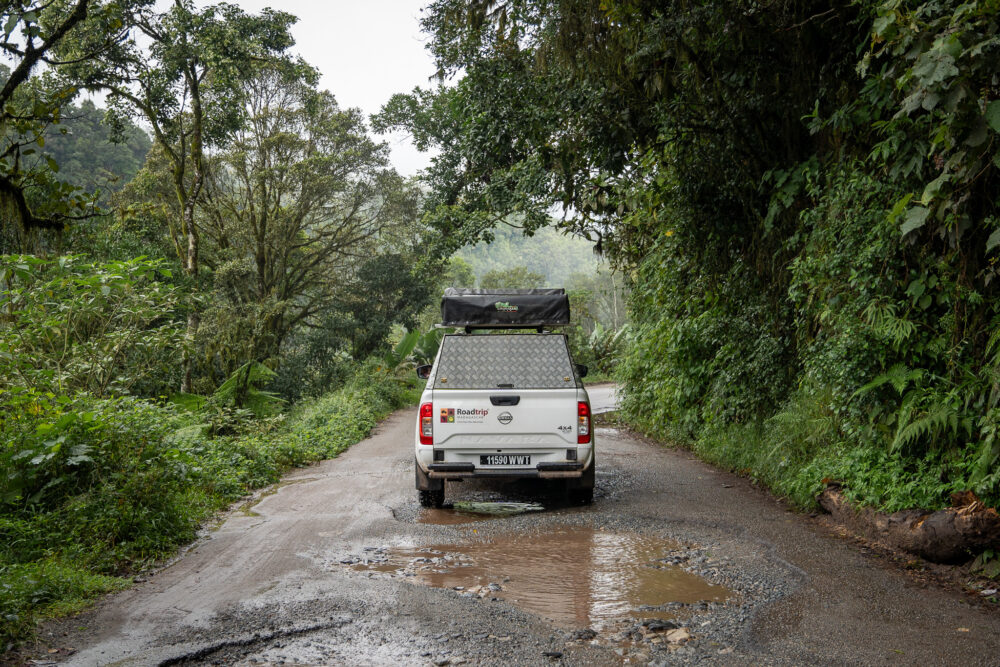
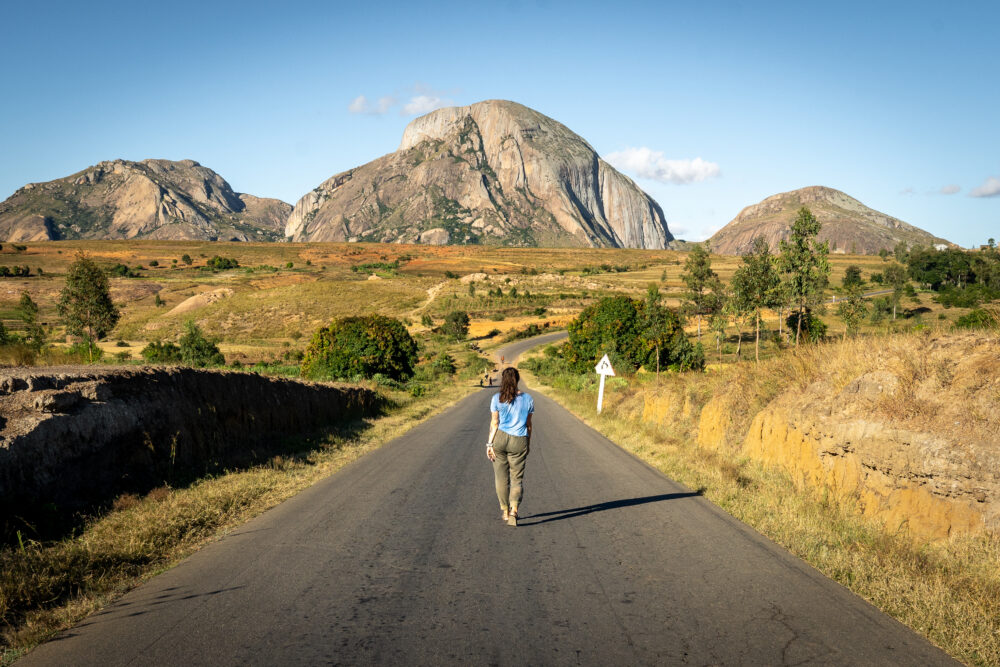
Road surfaces in Madagascar are super varied. The RN7 is a totally paved ribbon of tarmac stretching from Tana to Tulear. It has seen better days, unfortunately.
Expect crumbling pavement under the weight of trucks and cratered potholes that can swallow a whole vehicle. This just means you need to travel slowly. This is not a speedway.
Off the RN7, bets are off. You can find hard-packed dirt paths, narrow tracks overgrown with foliage, and mud pits deep with the trenches of previous tires. But with a powerful vehicle rental, some off-road experience, and enthusiasm— you shouldn’t be deterred.
Pisteur? Do I Need One of Those?
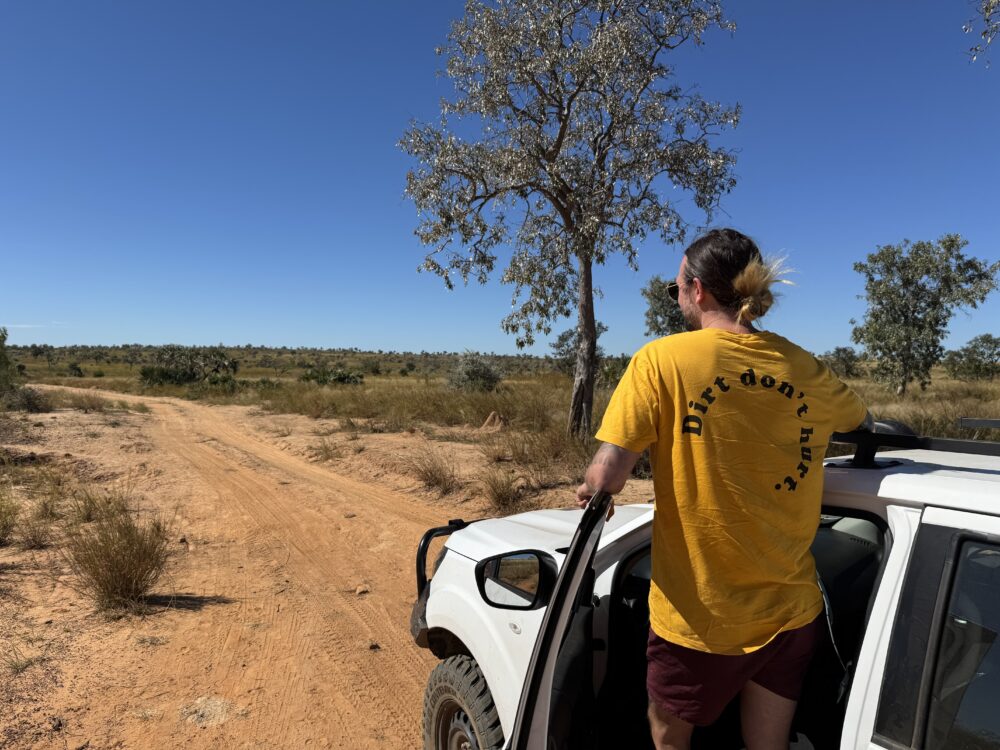
If you’re nervous about self-driving, RTA encourages you to hire a Pisteur or local guide to help you in the tricky areas for $25 per day. Not only will you not get lost, but you can ask them all kinds of questions about Malagasy culture.
There is one area that REQUIRES a Pisteur. The far west coastline. We skipped it and went inside to Manja instead. But because of the prevalence of quicksand, RTA requires drivers to take a pisteur on the portion of the route. Check out their grand circuit if that interests you.
Police Checkpoints in Madagascar
Everyone who takes a group or guided tour of this country claims that police checkpoints will be a major hindrance to independent travel.
In three weeks, we were physically stopped at TWO police checkpoints. All the rest waved us through quickly while tearing apart local guides’ cars, much to the tourists’ chagrin.
The two times we were stopped were not for a bribe or shakedown but for them to check our international driver’s license. This seems to be the rare occasion when being in the presence of a local does not do you any favors.
Don’t listen to the Redditers who will try to discourage you with this tactic. It’s just not true.
Where to Rent Your 4×4 in Madagascar
There is only one car company that I can wholeheartedly recommend in Madagascar. Road Trip Africa.
They have reliable vehicles, great customer service, offer one-way rentals which can be great for those doing the RN7, set you up with camping equipment, AND they have a GPS unit in the car so they can find you in case you require a remote rescue.
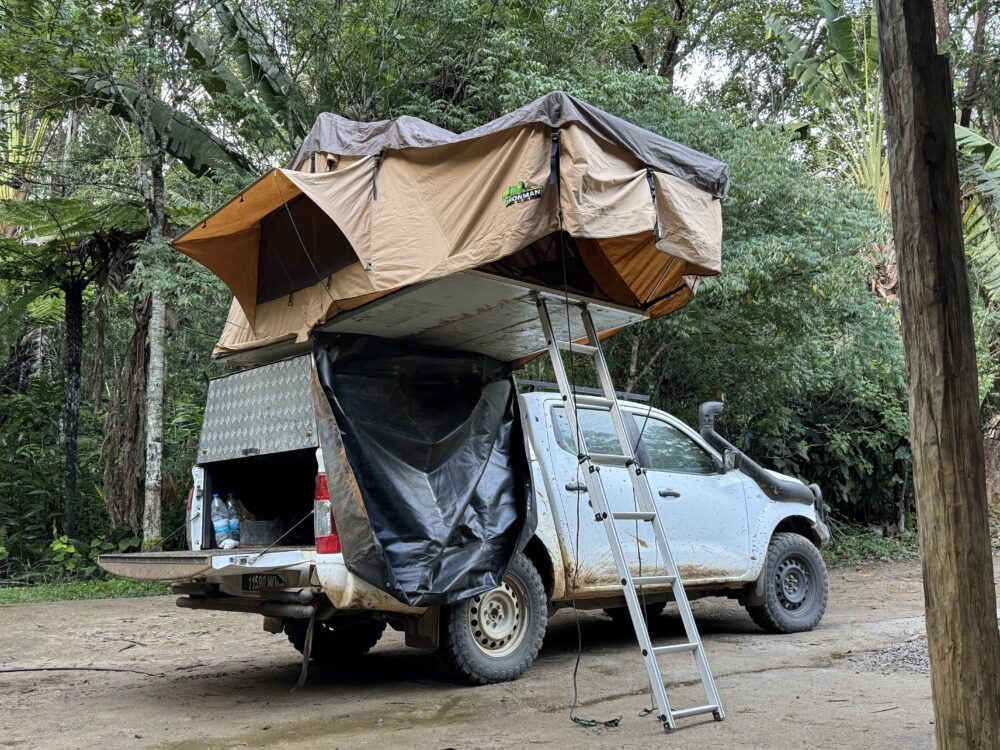
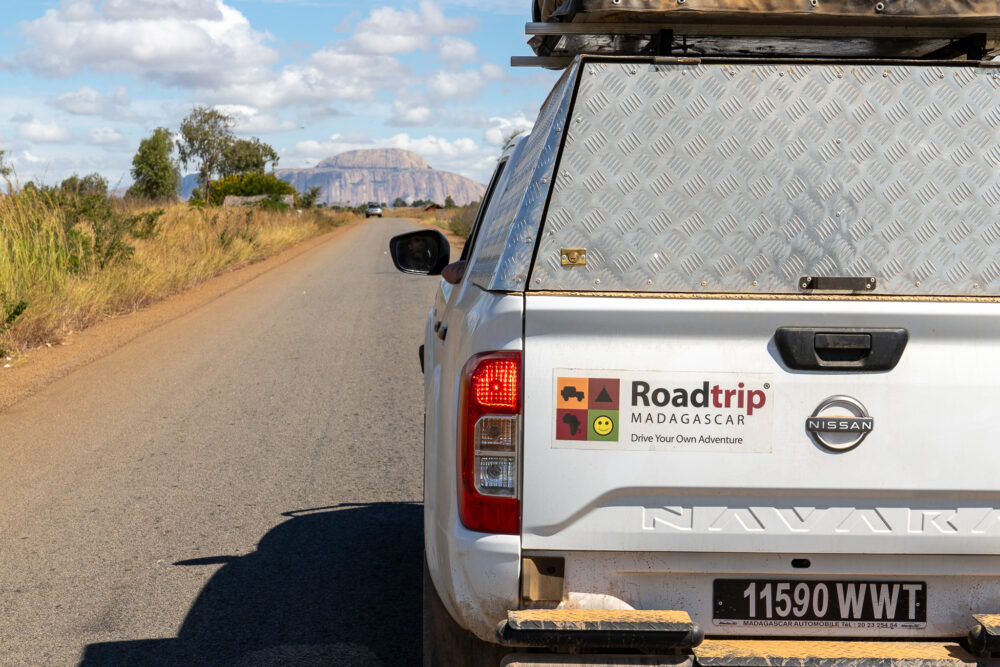
We used the Nissan Navarro, which is the newer, more expensive (and powerful) model. It’s required if you plan to explore off-road on the west coast to popular places like Tsingy. But they also offer slightly older and less expensive models for travelers looking to stick to the RN7.
Head to their website to inquire about dates and prices. (Also, no, I do not get a portion of your booking— I just genuinely love them)
Should You Opt For the Rooftop Tent?
So you’re eyeing the optional rooftop tent.
We did it. Loved it. Would 100% do it again. But is it cost-effective?
The tent itself costs $20 per day from Road Trip Africa. Then, most camping sites charge $8-$10 for the night. This means, on average, you’ll spend $30 per night to camp.
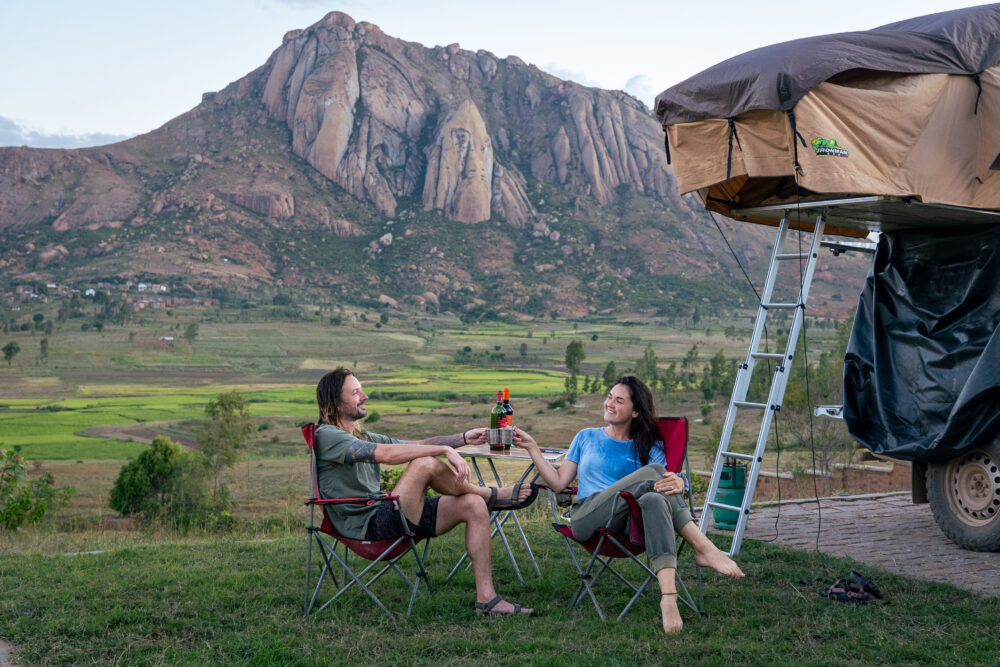
While finding a hotel room in Tana, Tulear, and Morondava is relatively easy for under $30, I cannot say the same for destinations like Ranomafana, Isalo, and Anja Reserve. You’ll likely spend closer to $45 per night on average, even if you try to be budget-conscious as a couple. So yes, the rooftop tent is more economical than hotels.
By far the MOST economical option if you’re willing to rough it is the free ground tent that Road Trip Africa supplies with its rentals. But it won’t be comfortable everywhere.
If you’re looking for the best campsites in Madagascar, look no further.
General Madagascar Road Trip Tips
While I’m calling these “road trip tips,” most of them are useful to all travelers in Madagascar.
Internet in Madagascar
Internet connectivity in Madagascar is actually not the worst. I mean, it’s no place for a digital nomad, but for Google Maps and basic functions, getting the right SIM will set you up well. Wifi is pretty rare and not great when it does exist.
Yas is the same as Telum and is the best service for Internet. It costs $25 for 15 GB of data. You’ll need to go to an office with your passport to get your SIM.
Orange has more service stations, but is not known for better service across the country. If you want to double up, then grab one of these cards also.
ATM Access in Madagascar
Cash is king. Obviously. While most people load up on dollars and then hit an exchange office, you can also quite easily just hit an ATM in all the major cities like Tana, Morondava, and Tulear.
The airport money exchange in Madagascar is actually NOT that much of a rip-off, so use it if you feel more comfortable traveling that way.
Otherwise, for ATMs, stick to the fee-free ones, and as always, always choose “without conversion” when prompted.
- MTB. No fee, 800,000 max withdrawal.
- Baobab Bank. No fee, 800,000 max withdrawal.
Where to Get Road Trip Groceries
There are two excellent places to stock up on groceries for your road trip.
- Carrefour. Has an abundance of snacks, groceries, wine, and home goods to grab any essentials you might need.
- Super U Talatamaty. This is very near the guesthouse I recommend in Ivato, and it has loads of nicer products and pre-prepared canned meals that would make camp cooking SO easy.
You should definitely aim to get all your trip groceries in Tana. Shops in Tulear and Morondava will be much smaller and less well-stocked.
Water Supplies in Madagascar
This was my biggest annoyance in Madagascar.
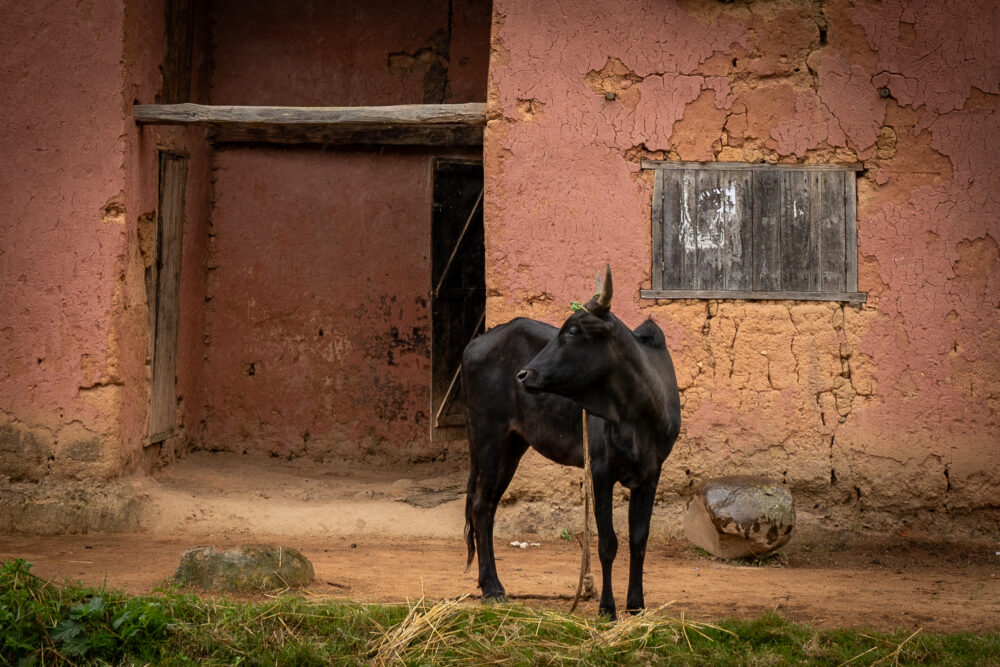
You will likely have to resort to dozens and dozens of 1-2 liter plastic bottles of water rather than a massive 20 liter tank (like we usually do for road trips).
Carrefour is the only shop with the large, thick plastic refillable tank bottles, and they are sold as a subscription service rather than just as the bottle itself. So don’t buy them! This mixup led us to purchase $45 of water that we had no place to refill later throughout the country, and we were unable to return the empties for a rebate.
Unfortunately for the planet, we had to use many, many plastic bottles instead.
I highly recommend bringing a filter bottle for your drinking water to minimize plastic waste.
Petrol/Fuel Access in Madagascar
Petrol is Petrol and Diesel is Gas Oil, and it’s mostly easily accessible all over the country. If you rent a car with RTA, you’ll get a backup gas can, which will come in handy in the really remote areas.
The road trip rule is: Always fill up if you dip below half tank.
- You’ll need to be sure and fill in Morondava if you plan to visit Tsingy.
- You’ll need to fill in Ifaty if you plan to drive via Manja to Morondava.
Other than that, you’ll encounter gas frequently enough to survive with ease. You should expect to pay for Gas in Cash. While Shell and Total Energies often take cards, there is usually a fee, and the system is down as often as it’s working, which means having cash just in case is essential.
Give Yourself Ample Time to Travel
If you do choose to drive (or for literally any travel in Madagascar, for that matter), travel is sloooooow. One week is enough to give you a tiny glimpse of the country. In three weeks, you’ll see more, but it will be breakneck speed, and you’ll probably leave exhausted. One month and you’re starting to get into a comfortable amount of time.
Don’t try to pack too much into your itinerary. Trust me.
Packing for Madagascar’s Varied Climates on Your Road Trip
During your Madagascar road trip, you are going to traverse climates that range from blistering desert to windy high-altitude plateau to tropical rainforest. This means your packing list is going to look a little odd.
Here’s what you should definitely have on hand…
- Raincoat. This was a stupid mistake to forget.
- Hiking boots. Mada has some excellent National park hikes and wildlife walks.
- Sweatshirt. Isalo is chilly. And windy.
- Swimsuit. Oddly, Isalo also has natural pools you’ll want to take a dip in. And if you stay in hotels, many have pools, even if they aren’t the cleanest.
- SPF Shirt for exposed and sweltering hiking in Tsingy.
- Mosquito Spray/Malaria Meds. A huge problem in Madagascar.
- Lots of layers for transitioning from chilly to hot.
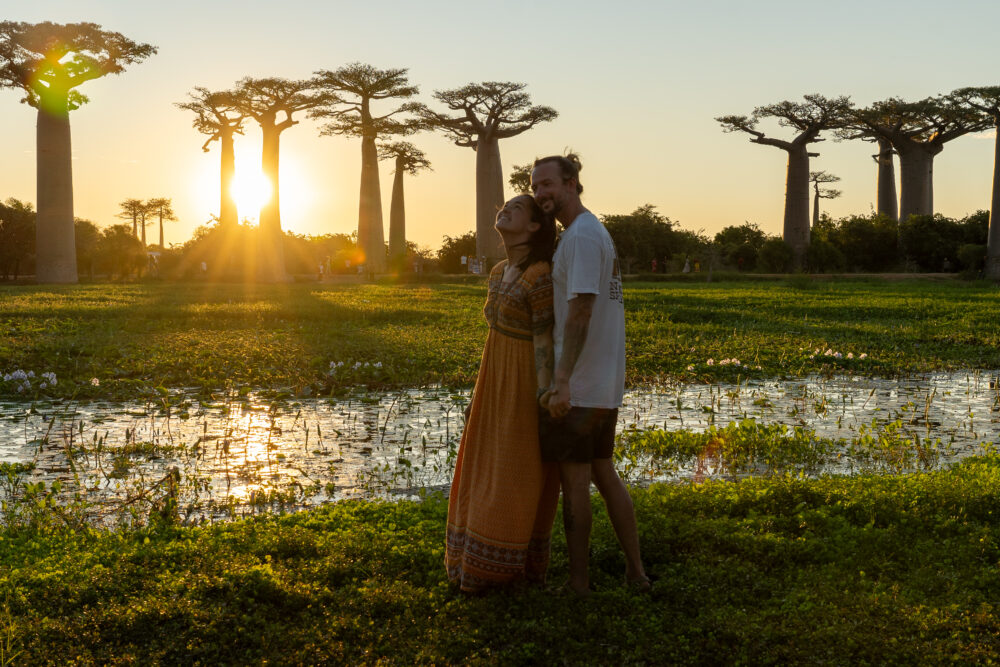
A note for women: Malagasy culture is not conservative. I saw locals wearing everything from crop tops and shorts to dresses. If it’s hot, you can wear what you want without worry.
Tipping culture in Madagascar
Tipping is most definitely appreciated in Madagascar, and you’ll often be asked directly for a tip when you interact with people.
While this is annoying for some travelers, I think it’s important to remember that much of the country (90%) lives on $2 or less per day. Your generosity goes a long way here.
People who you should definitely tip:
- National park guides
- People who help you get your car unstuck
- People who carry your bags to your room if you stay in a nice hotel (my least favorite, but it’s expected)
People who you should *consider* tipping…
- People working to fix the road
- At restaurants
- Ferry operators
Follow these Madagascar Self-Drive Road Trip Routes
Since Madagascar is such a diverse country, with numerous attractions no matter your interests —it can be difficult to narrow down “the perfect places to go”.
Here is a summary of some of the best destinations divided up by what you might visit for.
For Wildlife Lovers Prioritize…
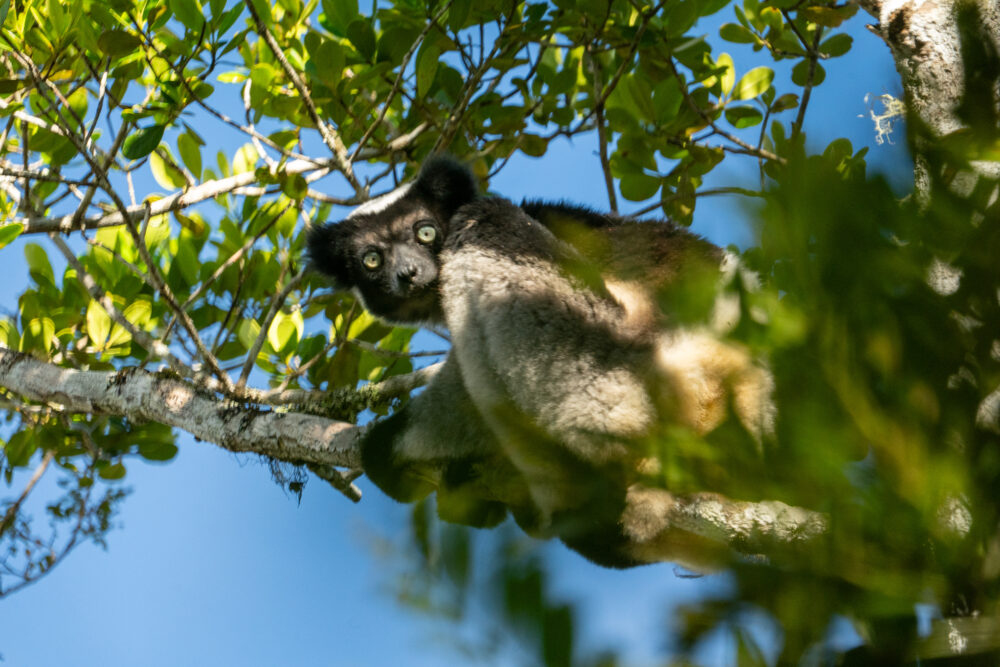
- Andasibe National Park, Specifically Mitsinjo Reserve
- Ranomafana National Park
- Isalo National Park
- Nosy Mangabe.
- Anja Community Reserve
- Zombitze National Park

For Iconic Landscapes Prioritize…
- Andringitra National Park
- Isalo National Park
- Baobab Ave
- Tsingy de Bemahara
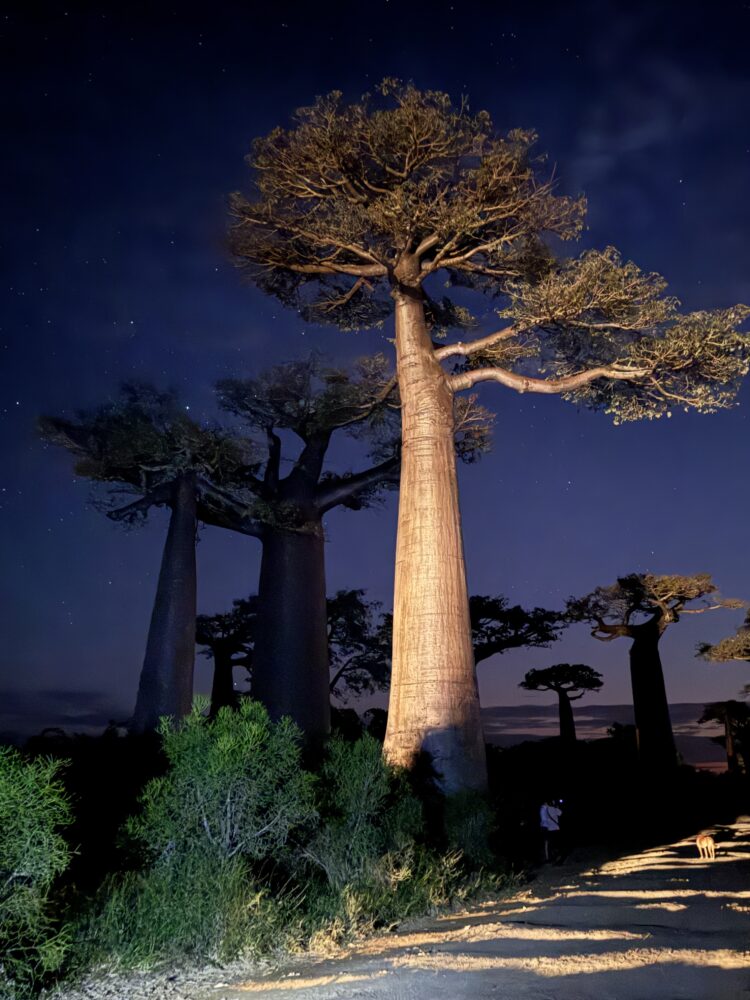
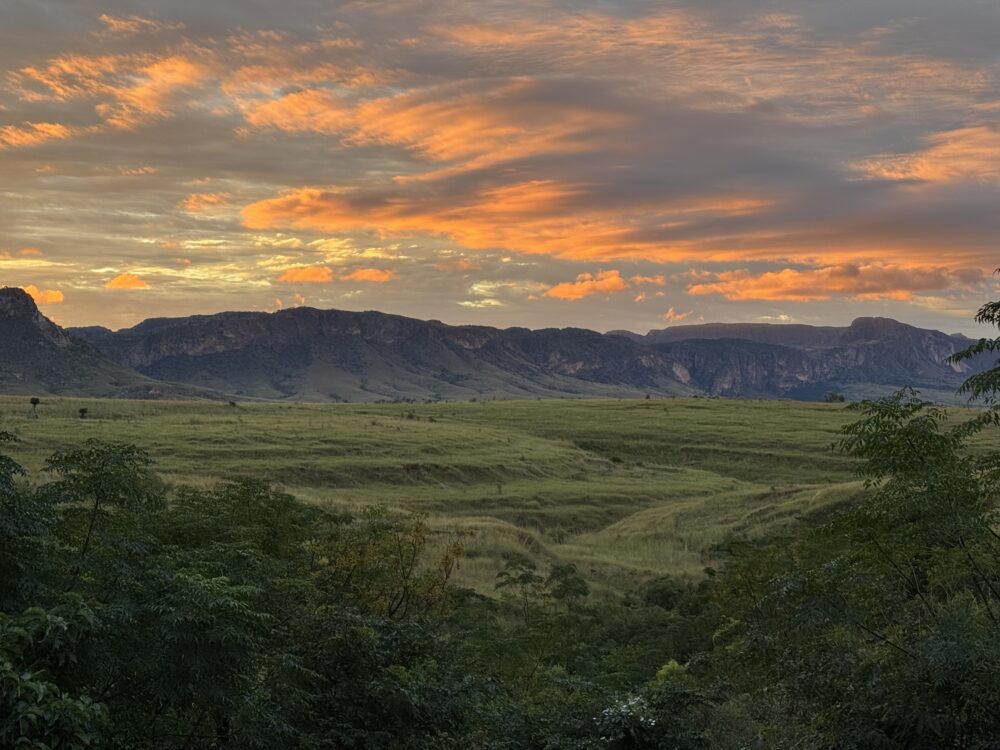
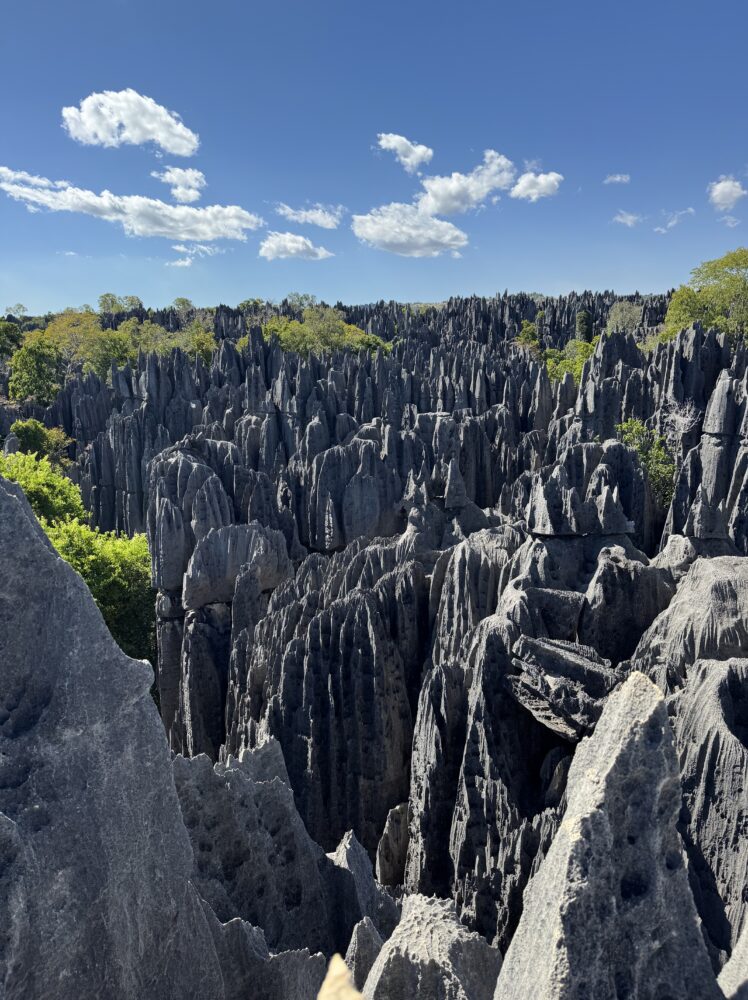
For Beaches Prioritize…
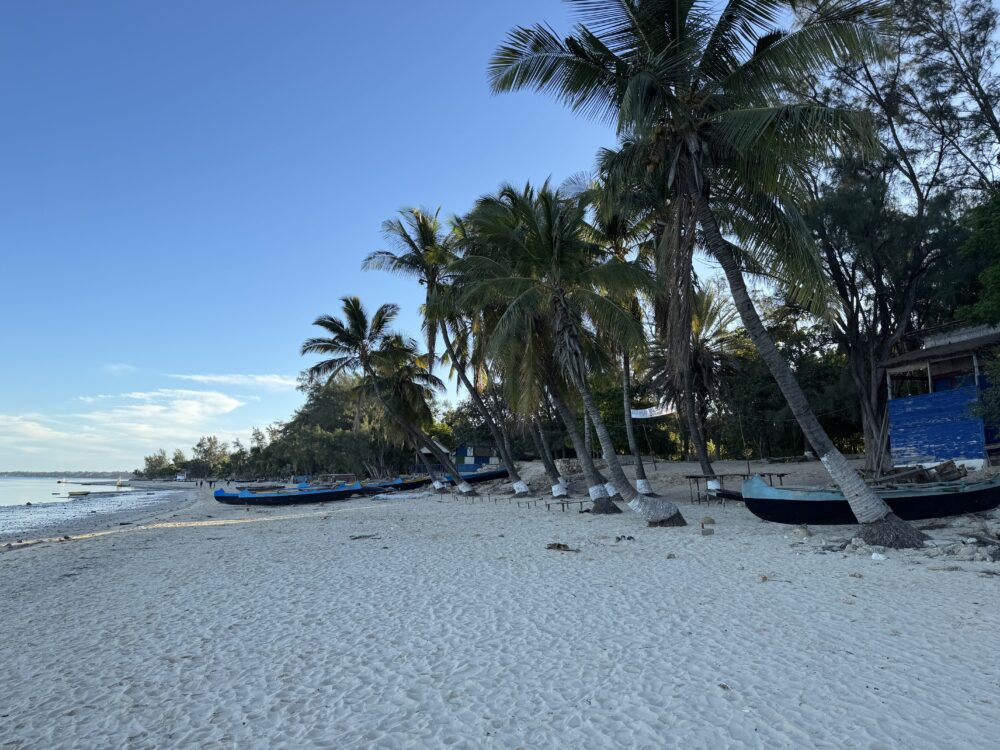
- Nosy Be
- Île Sainte-Marie.
- Ifaty is not too shabby for beaches, but definitely not the best on this list.
For Trekking Prioritize…
- Andringitra National Park
- Tsingy de Bemahara
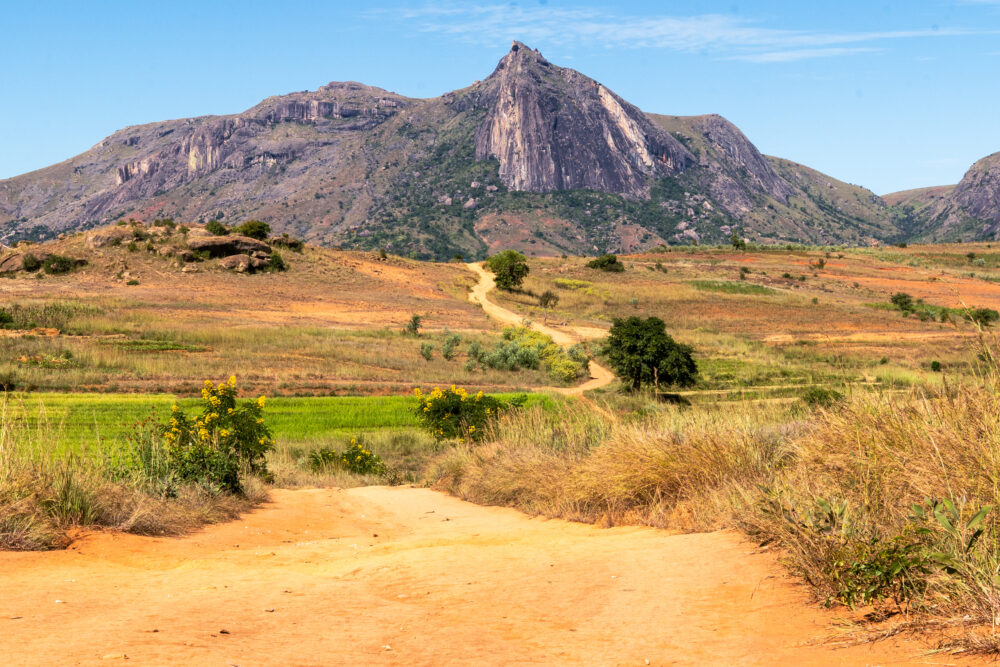
For Super Adventurous Roads…
- Tsingy de Bemahara
- Manja to Morondava.
- East coast route AKA RN5.
Madagascar Road Trips Route Blog Posts
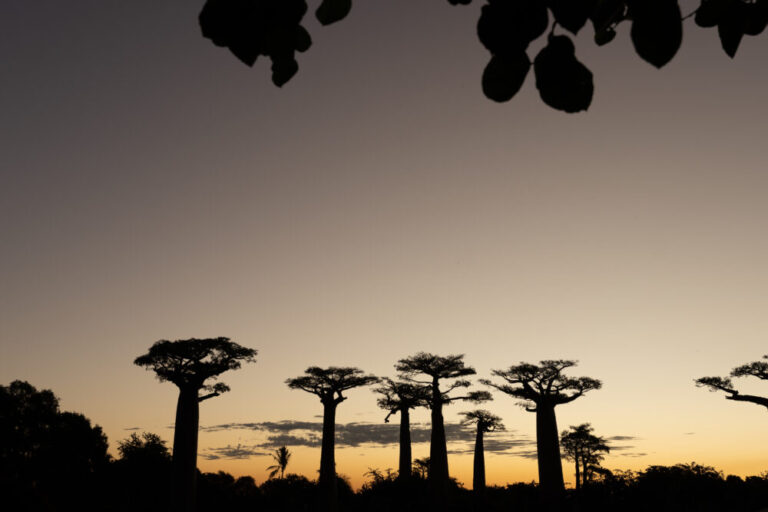
15 Incredible Things to Do in Madagascar For Your Bucketlist
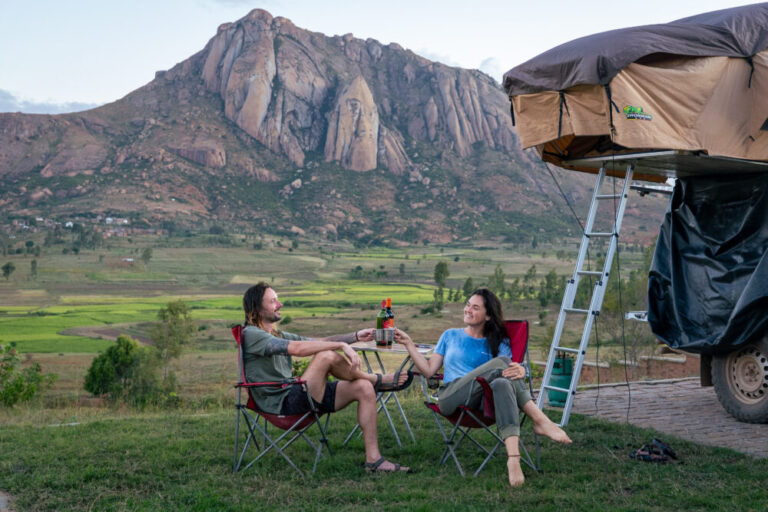
Best Campsites in Madagascar: A Self-Driver’s Helpful Guide
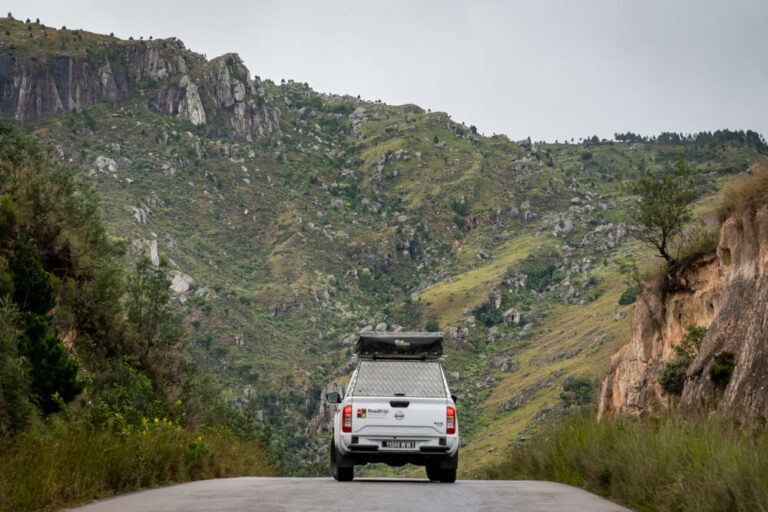
Budget-Friendly Madagascar Road Trip: 11 Days on the RN7
Madagascar Road Trips Route Planning Tips
Remember that roads are slow and potholed, while others are traffic-congested. This means traveling by road to many destinations takes more time than you think.
Allow no less than 3 weeks for a road trip that visits more than one region of Madagascar. The RN7 is the only route that can be done in about 1 week.
Keep in mind that unless you stay for an extended period of time in the country, you won’t be able to see it all in one trip.
Save These Madagascar Road Trip Tips For Later!