This post may contain affiliate links. This just means I may receive a small commission at no extra cost to you for helping them promote their product or service. I don’t endorse any services I don’t personally use or recommend.
“Most people experience a version of the Maldives designed to isolate them from it.”
This is not a travel guide in the traditional sense. Yes, it will help you effectively plan a trip to the Maldives that dives into the culture, allowing you to take away something a little more meaningful than beach selfies. It will also ensure that your visit to the delicate ecosystem doesn’t further erode the land the country floats on, the traditions its people practice, and, in many cases, actually helps to preserve the marine life and extensive coral networks of the Indian Ocean. It will also teach you quite a lot about Maldivian culture in a (hopefully) fun and engaging way that makes it palatable to armchair travelers who have no intention of ever setting foot in the country.
So buckle up.
This is the first in my series of immersive travel guides to help you develop a sense of place before you arrive. If you’re still wondering ~exactly~ what that means, you can read a little more about this project on my Immersive Travel Guides page.
Key Takeaways
-
The Maldives is not a playground for the rich & famous, and it’s not exclusively an ultra-wealthy honeymooners destination.
-
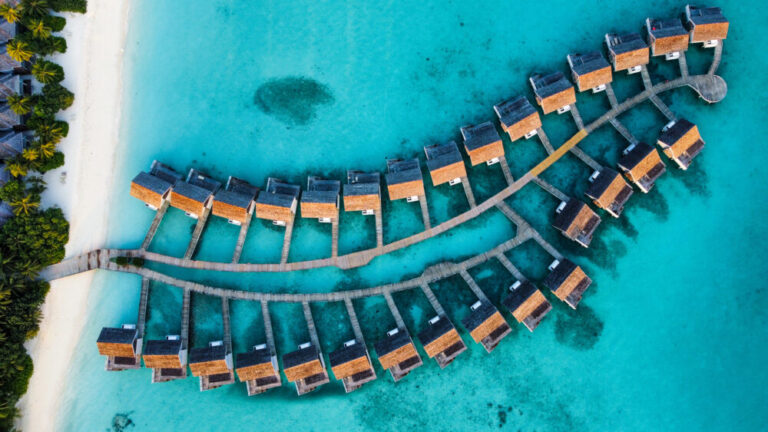
Even travelers who WANT to experience the luxury overwater bungalow life on private island resorts should spend at least a few nights on an inhabited island, as that’s the REAL Maldives.
-
If you do choose to stay at a classic private island Maldivian resort, choose from the short list I’ve collected below to ensure you’re still supporting the Maldivian community.
-
The Maldives is a devoutly Muslim nation.
-
Whale shark snorkeling is a no-go, but mantas, sharks, and loads of other mega-fauna can be found within the atolls worth seeing.
Basic Maldives Q + A: Getting to Know the Country
Before we really get going here, let me very briefly answer all your most pressing questions about the Maldives
What is the Best Time to Visit the Maldives?
I’m assuming when most people ask this question, they want to know when it’s going to be sun-drenched and rain-free. AKA the dry season.
December-April is the dry season. It’s also known to have the clearest waters and will have lots of festivals (including Ramadan) in the upcoming years.
But June-November is when the mantas flock to Baa Atoll. It’s also when many resorts lower their prices significantly and start offering deals on seaplanes. So, there is no bad season to go to the Maldives.
Do people live on the Maldives resort islands?
No. Not in the sense that they have a home and a community there. They have work housing, which they stay in for the entire term they have been hired for. But I’ll get into all the details of that a little later.
Can unmarried couples stay together?
Yes. Even on local islands, I was traveling with my partner (unmarried at the time) and had no issues. I know that if you are a Muslim or come from a Muslim nation, you might run into questions. It’s best to say you are married if asked.
How much does a Maldives trip cost?
It costs somewhere between $60 per day and $6,000. It costs exactly what you want to spend there. Local islands and luxury resorts are two totally different trips.
Is the Maldives Worth it/Is the Maldives boring?
*cue the out-of-touch-influencers complaining about overwater bungalows*
The Maldives is one of the most astoundingly beautiful beachy countries in the world. Sitting almost entirely 2 feet above sea level, it’s got snorkeling, diving, marine life, corals, soft sandy beaches, overwater bungalows, surfing, fishing, scenic bike paths, flying foxes sitting in palm trees, local restaurants with a seafood-heavy cuisine, not to mention any of the cultural attractions we will get to in this blog post.
If you do not like the ocean, the beach, or islands….then don’t come to the Maldives. Otherwise, no, the country is not boring. Far from it.
Where to Go in the Maldives
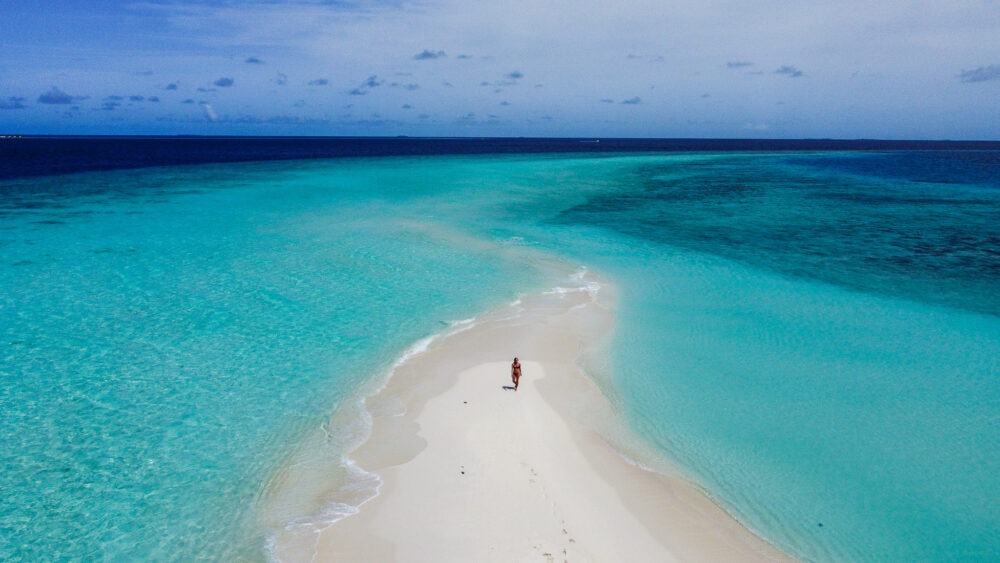
While I wouldn’t normally jump into the “where to go” segment so rapidly, location is the single most important factor when you’re considering a visit to the Maldives. The nation consists of hundreds of small islands flung across a seemingly endless expanse of turquoise Indian Ocean. Most of these islands are uninhabited and unreachable, even if you were willing to cram into a rusting local long-haul ferry.
With approximately 100 inhabited islands home to at least one guesthouse, and nearly 175 private island resorts, you have just shy of 300 places to choose from. To make matters slightly less overwhelming, I’m going really narrow down your selection. A lot. But first,
What an Ideal Trip to the Maldives Looks Like
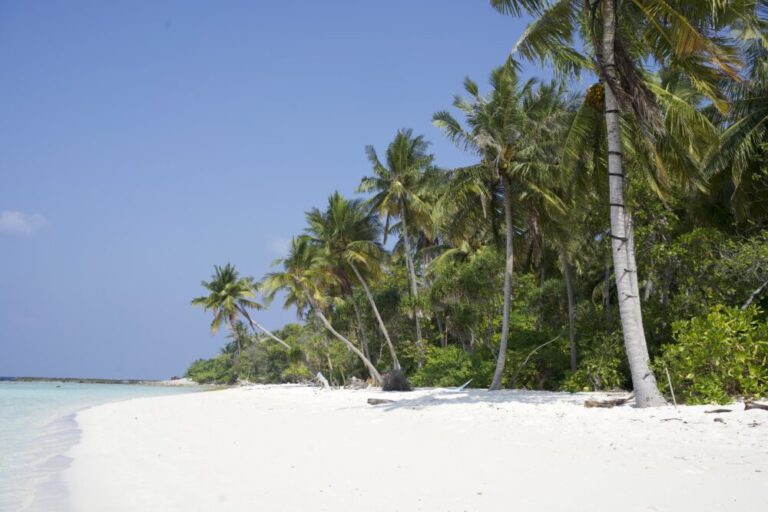
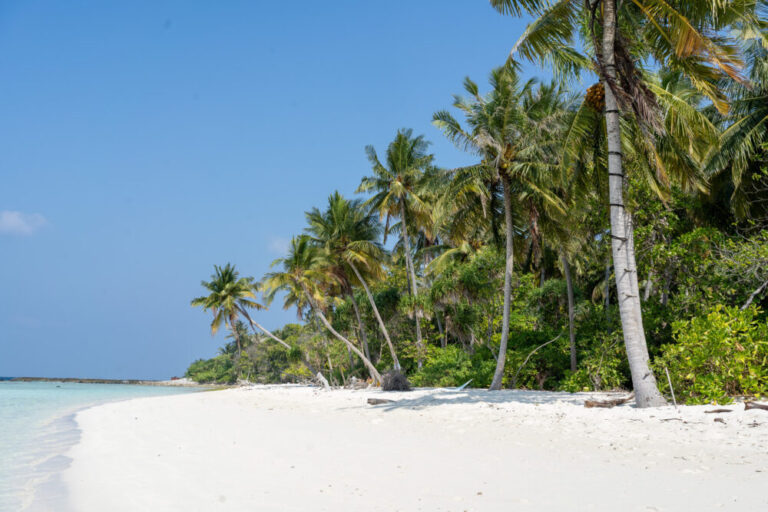
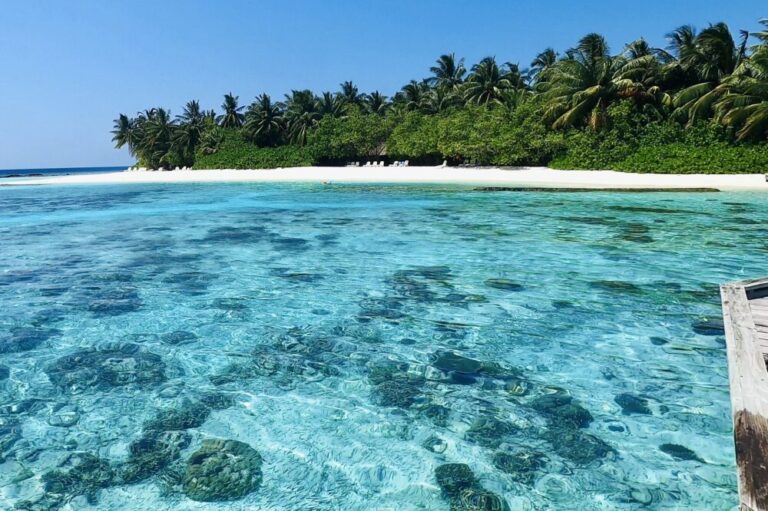
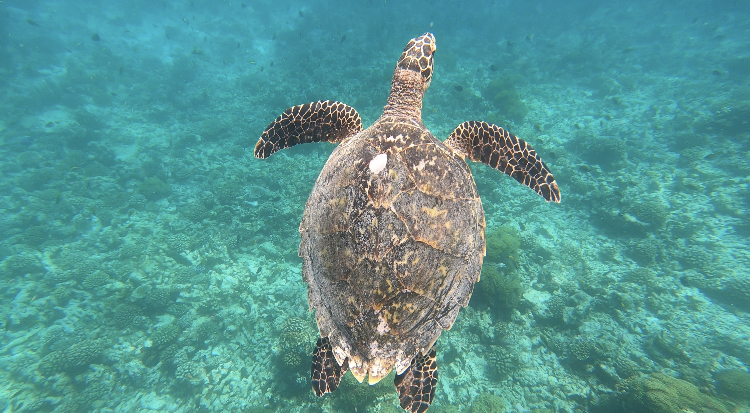
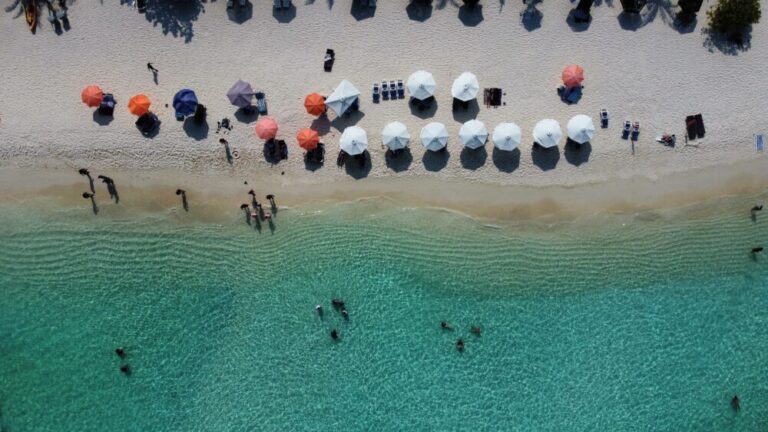
Every single Maldive is blessed with the powdery, silken white sand you’ve only seen in movies. These are the best beaches in the world. Full stop. The islands are mostly flat, close to sea level (which is quickly becoming a problem as the sea rises), and surrounded by warm, calm seas in every shade of blue. From cereulean to bondi. The water here holds an abundance of marine life, mostly in the megafauna category. Think sharks, whale sharks, manta rays, sea turtles, and meter-long vibrantly colored pelagic-fish.
A typical trip goes one of two ways.
- You’re here to splurge. You book an all-inclusive resort for 5-9 days and go full rest & relaxation with a few snorkeling or dive excursions thrown in.
- You’re a budget-traveler intent on seeing the world’s last slice of beach paradise, and you scour local ferry schedules to explore an atoll by hopping along its ridge for a week or two.
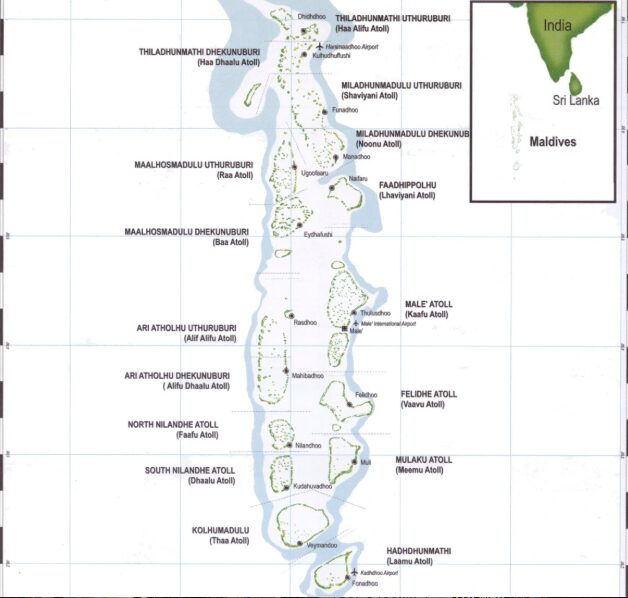
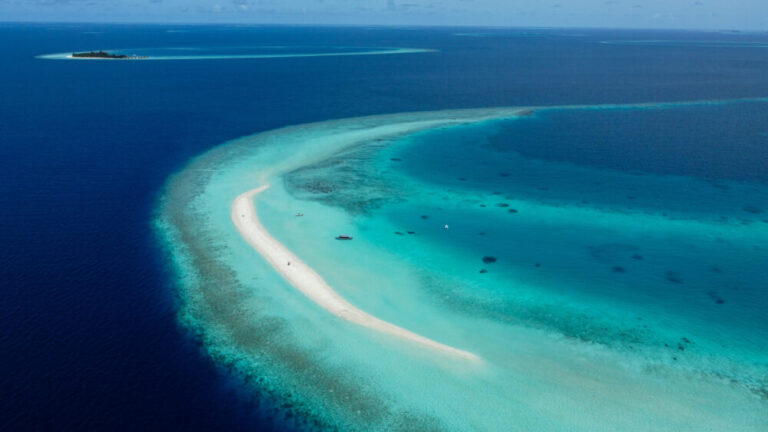
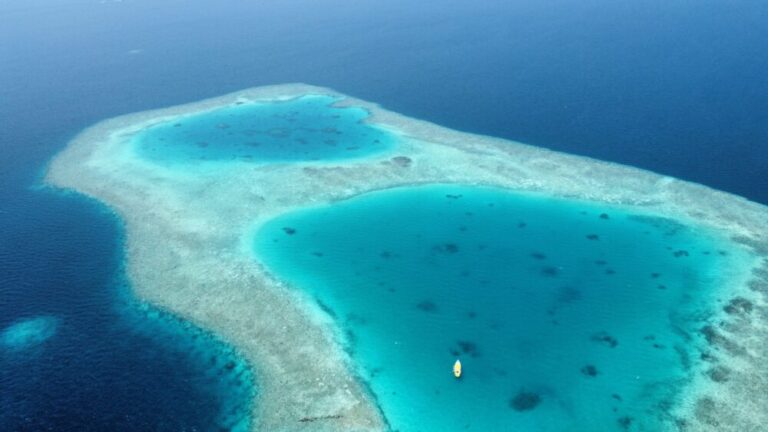
What is an Atoll? The Maldives is made up of 20 distinct Atolls. Each Atoll is a collection of islands that when looked at from above form an oval or circle. They are formed when coral collects on the rim of an undersea volcano over millenia, and then the volcano falls away. What remains is the Maldives.
But I would prescribe a combination of the two if your vacation time and wallet allow.
I understand that most people come to the Maldives looking for a beach getaway. But you’re visiting a country. With a unique culture. A rich sea-faring and culinary history. When you skip the inhabited islands, you skip all of this. I urge you to consider adding at least one local island to your itinerary, even if you came here just looking for eco-conscious and sustainable resorts.
It’s really easy to do! I’ll give you all the vital ferry boat info later on.
Inhabited Islands
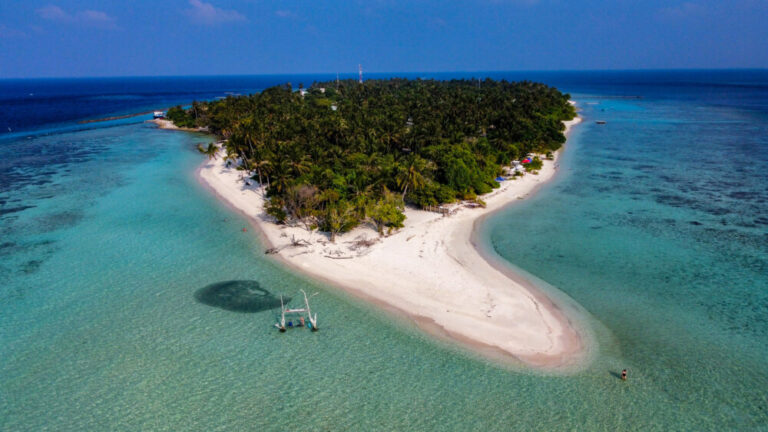
These islands are where local Maldivian’s actually live. Most have a population of around 500 people, and it’s where the heart of Maldivian culture is. Each island has its own traditions, and one can feel very different from the next. You can travel to this side of the Maldives on a shoestring budget. Even if you plan to opt for an opulent private resort for most of your stay, I urge you to at least make it to island #1 on this list.
- Gulhi (Kaafu or Malé Atoll)
- Omadhoo (Alifu Dhaalu Atoll or South Ari Atoll)
- Fulidhoo or Thinadhoo (Vaavu Atoll)
- Maalhos, Dharavandhoo, & Dhonfanu (Baa Atoll)
What It’s Like to Stay on an Inhabited Island
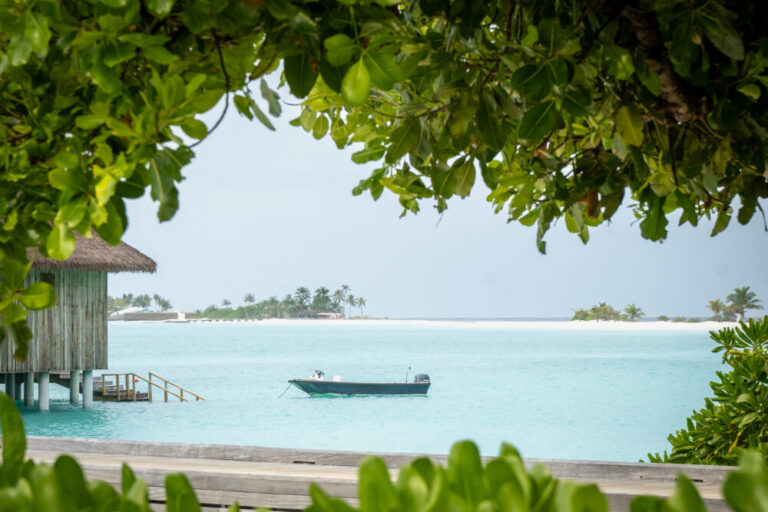
Stepping off the boat onto the soft white sand of an inhabited Maldivian Island, the nature doesn’t look much different. Same iconic, absolutely breath-taking beaches, same palm-fringed shores, same rocky areas of coastline. The development is a little different, however.
There’s a single-story restaurant with sandy floors. A collection of guesthouses down a flowery lane. Residential areas, quiet and devoid of shops in the center of the island. Fruit bats and colorful pet macaws flitting from tree to tree. (The Macaws are ubiquitous, but also very sad– they don’t belong here.) Maybe a few shops, limited groceries, and boutiques peppered in. There will be a school, a playground, a mosque, and a bikini beach. This “bikini beach” is the only place on the island where you can swim in a skimpy swimsuit. It’s the “tourist beach,” and it’s always the best one for swimming anyway.
Staying on a local island is in no way roughing it. I walk around barefoot, sleep in a comfortable air-conditioned room, snorkel the house reef, and swim in some of the clearest waters on earth. The only real difference is that people live here.
And it’s important to get a feel for how Maldivians live.
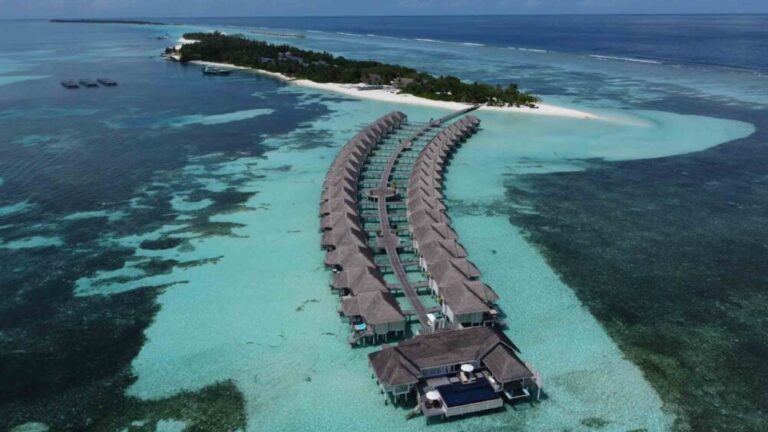
Resorts
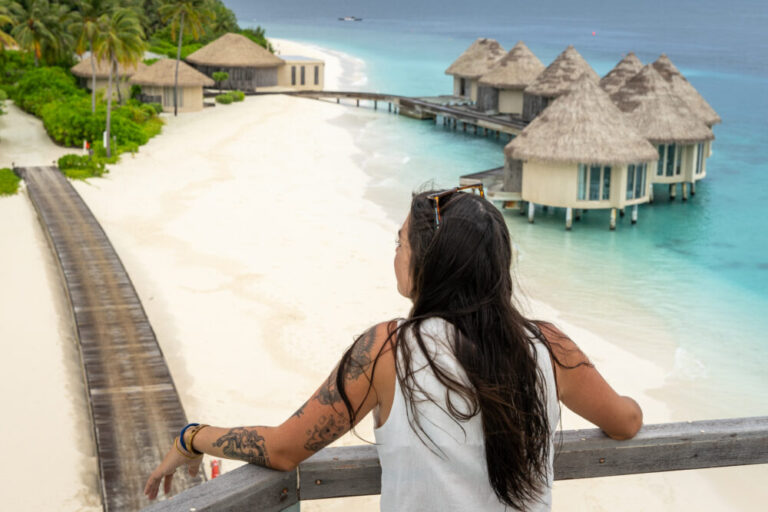
This short list of luxury Maldivian resorts is all 100% Maldivian-owned, meets the standard of 60%+ local employees, and has initiatives in place to protect the marine environment via coral gardens, marine-biologist-led projects, and more. You can relish in billowy white-linen luxury and have the Maldivian vacation of your dreams.
Consider this your guilt-free luxury list.
What It’s Like to WORK at a Luxury Maldivian Resort
*cue White Lotus theme song*
Think college dorm room meets youth hostel. Then, put that complex on a tiny island in the middle of the Indian Ocean, you can walk around in 30 minutes, and keep everyone there for 1-2 year contracts (usually). Throw in catering to the ultra-wealthy, and oh, by the way, everyone is your co-worker. That’s the reality for everyone who works at a resort in the Maldives. Before you’re hired, extensive psychological testing is done to ensure you can handle the isolation. Like the kind they do for Antarctic scientists. You work long days, 6 days a week, because what are you going to do with your time off? Sit in your “dorm” room binge-watching Netflix, so you don’t have to see your coworkers anymore. The hours are long, you *might* get to see Malé once every 3 months (if you’re lucky), and the odds of you going absolutely stir-crazy are high.
Once, a resort worker told me that guests had called the front desk furious that “their beach” in front of the villa had seaweed in the water and they needed it removed so they could enjoy the ocean. So that’s fun.
While working at a Maldivian resort sounds lovely, it can actually be a very challenging environment. Be extra kind.
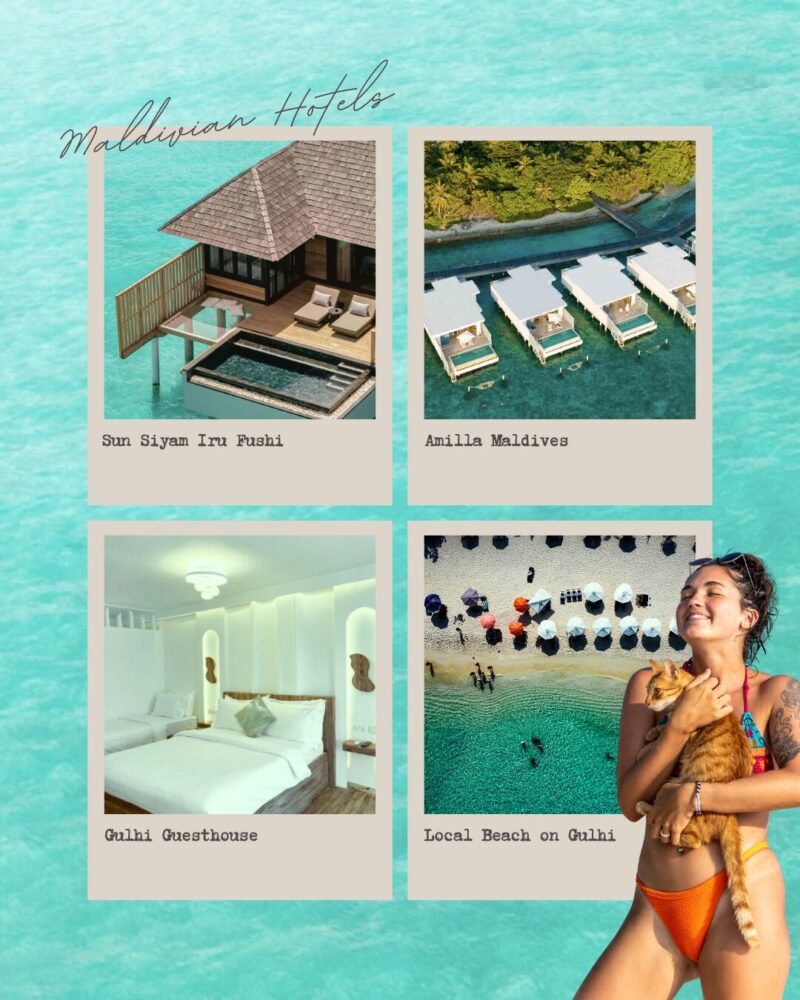
The average luxury resort in the Maldives is robbing the local community. Foreign-owned mega-hotel-chains (Four Seasons, Marriott, etc.) lease their islands, destroy the ecosystem around them, and on top of that can’t even meet the basic government mandated requirement of hiring 60% locals on as staff.
This is why is it so important we stay at the right places during our travels.
If you’ve never heard of “Tourism Leakage” or “economic leakage,” here’s a quick rundown. Tourism leakage is when you spend $10,000 on a luxury resort getaway at the JW Marriott Maldives Resort & Spa, and then literally $500 of that actually lands in Maldivian pockets or goes to benefit the community in any way. (I am not officially saying that is the case with Marriott in the Maldives for legal purposes). As little as 5% of the money made in the Maldives, stays in the Maldives. And that sucks. That’s neocolonialism, and I don’t throw that term around lightly. It’s large foreign-owned corporations profitting off of a destination (and a people) then raking the money back to their home country.
But I digress, I could go on and on about this problem in the Maldives. Please, just make an effort to stay somewhere responsible.
I Want to Swim With…
Whale Sharks
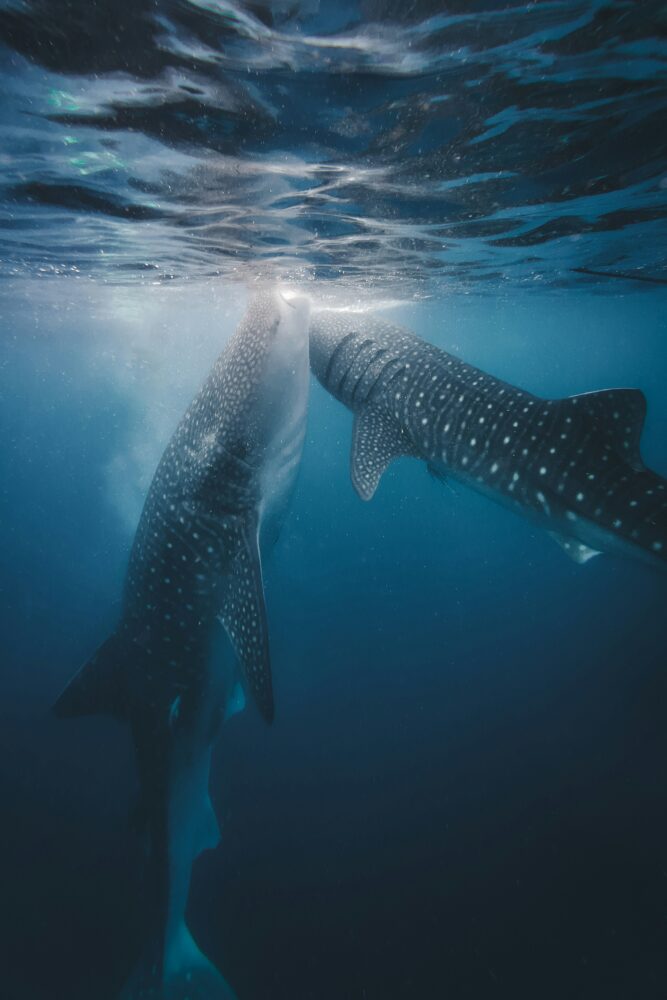
The South Ari Atoll is one of the only places in the world that Whale Sharks live year-round naturally. Unfortunately, due to a complete lack of oversight by the Maldivian government and reckless tour operators, I cannot recommend this as an ethical experience. You can read more about it here.
I hope to one day update this section and say that the gov has introduced a visitation limit and made this a safer experience for guests and whale sharks alike.
Manta Rays
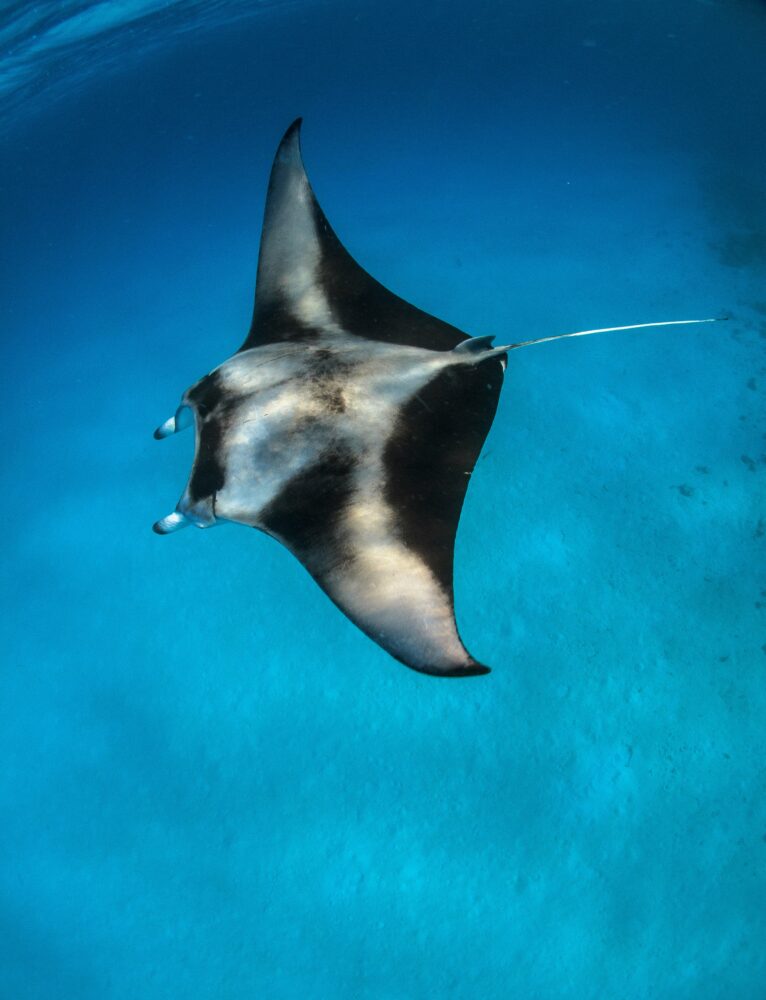
Baa Atoll and the world-renowned Hanifaru Bay are by far the best places to swim with these gentle giants in the world. The biosphere reserve is super-regulated and protected, and the experience is everything you want it to be. You can also see them at Addu Atoll, South Ari Atoll, and near Ukulhas at North Male Atoll.
Be sure to choose the right season though. Baa/Hanifaru’s huge schooling clusters are found in June-November.
Sharks
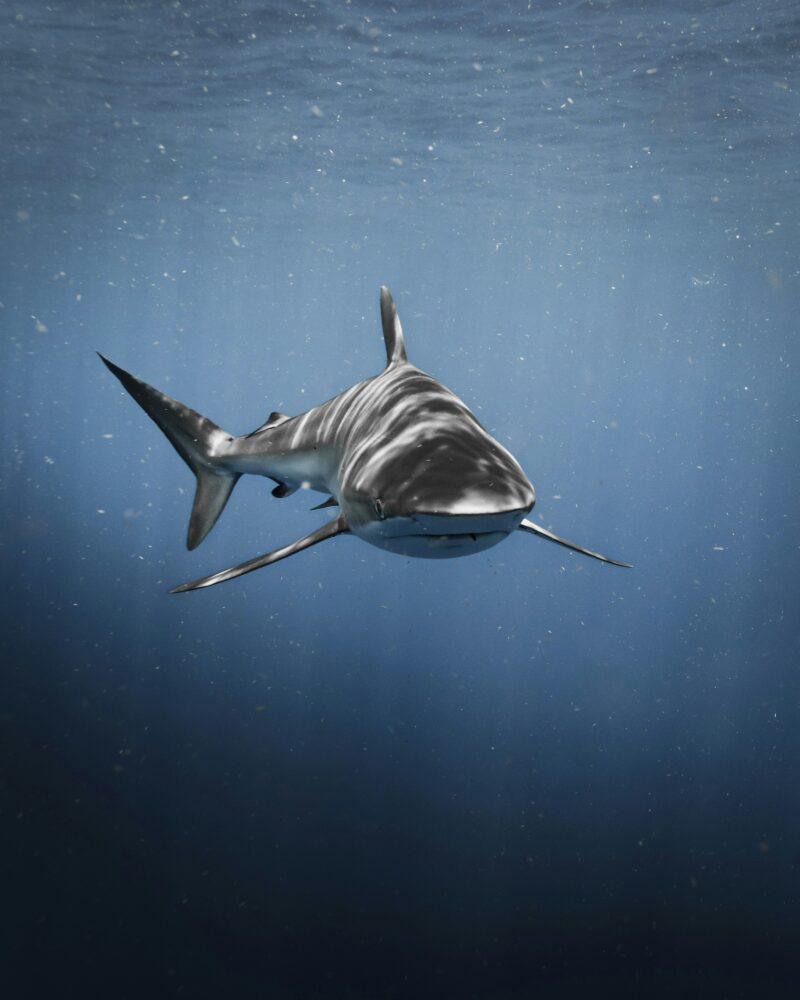
The Maldives has blacktip reef sharks, whitetip reef sharks, grey reef sharks, nurse sharks, hammerheads, and so much more.
Swimming with them is more chill than you would imagine. While the hammerheads are pretty limited to divers in the Vaavu Atoll area, the other sharks are seen around pretty much all the islands.
The best atolls are Vaavu, South Ari, and the area around Fulidhoo.
UNESCO Biosphere Reserves: The Maldives has three. Baa Atoll (mentioned above), Fuvahmulah, and Addu Atoll. Fuvahmuluh is a single-island atoll which is unique in itself, but it is also a crucial migratory bird site and home to numerous Thresher and Tiger sharks in its vibrant reef systems. Addu Atoll is famed for its mantas, abundant coral, and numerous species of sea turtle. To reach either of these two atolls on the public ferry system (or any boat system), you must first fly from Malé to Addu City.
There is no shortage of incredible snorkeling in the Maldives. Nearly every island has a vibrant house reef system bursting with fish. While the coral is nothing compared to Raja Ampat, the mega-fauna and fish species here are incredible.
Speaking Dhivehi: A Few Fun Phrases
Dhivehi is the official language of the Maldives. It’s a combination of Arabic, Tamil, and English, but you’ll immediately notice the similarities to Arabic if you’ve spent any time traveling in that part of the world. Assalaamu alaikum (Hello), Shukuriyaa (Thank you), and Aan (Yes).
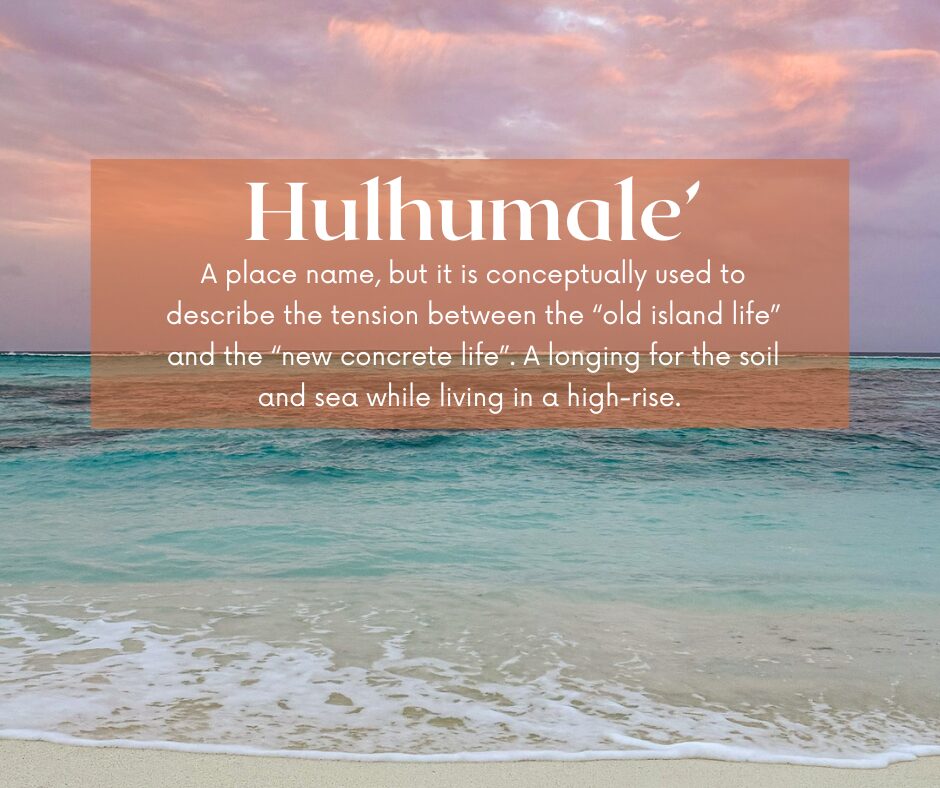
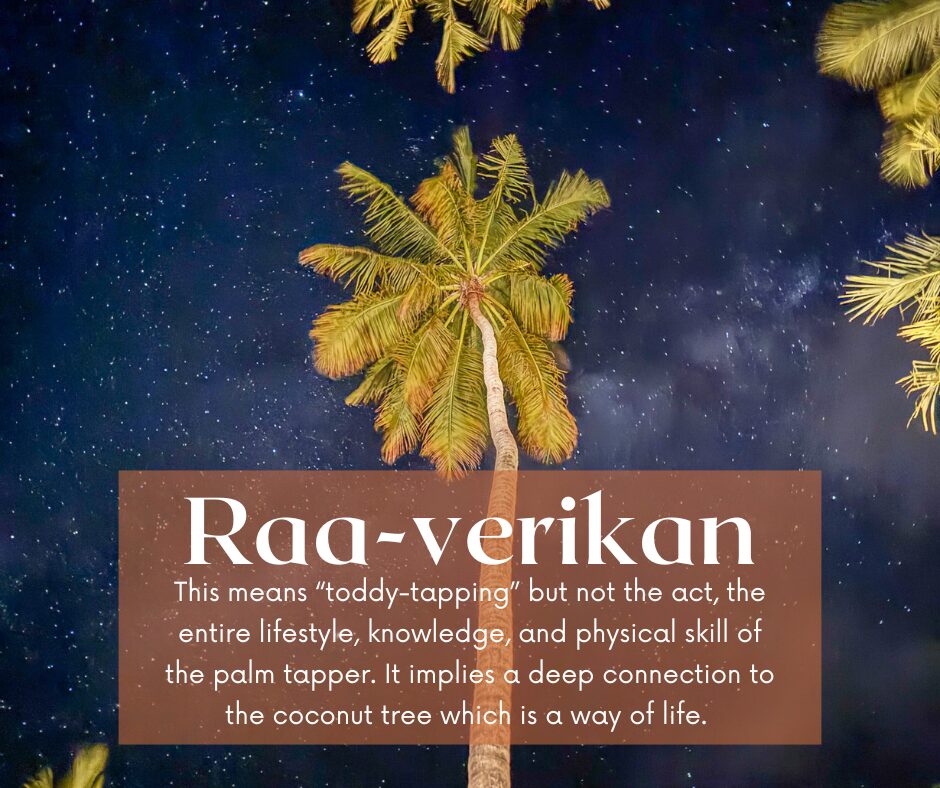
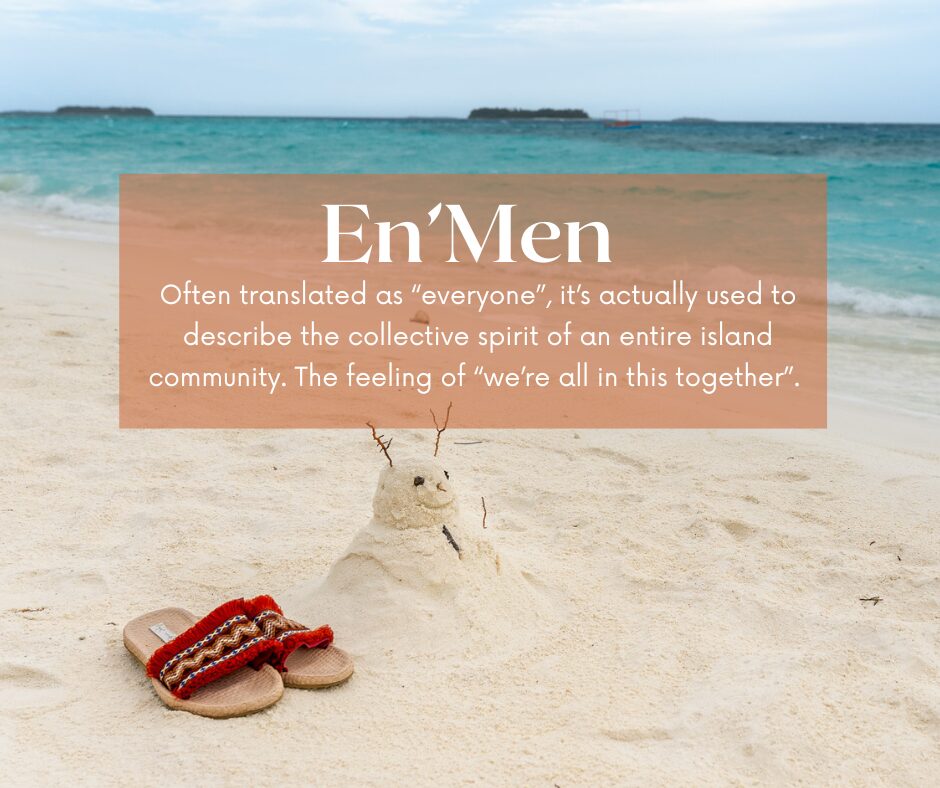
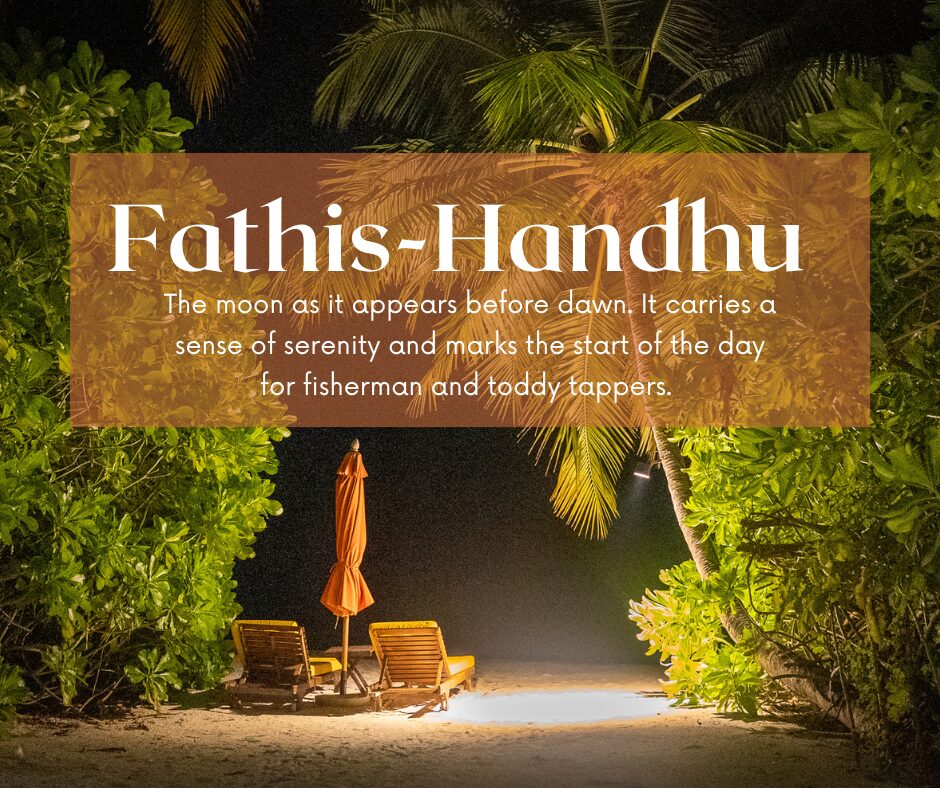
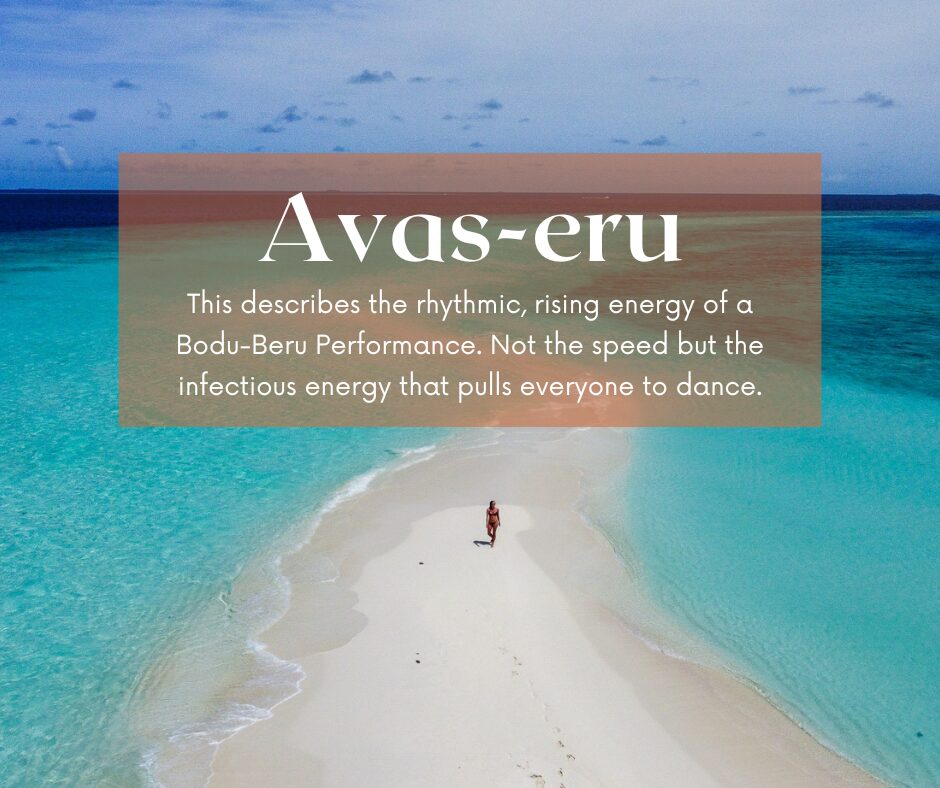
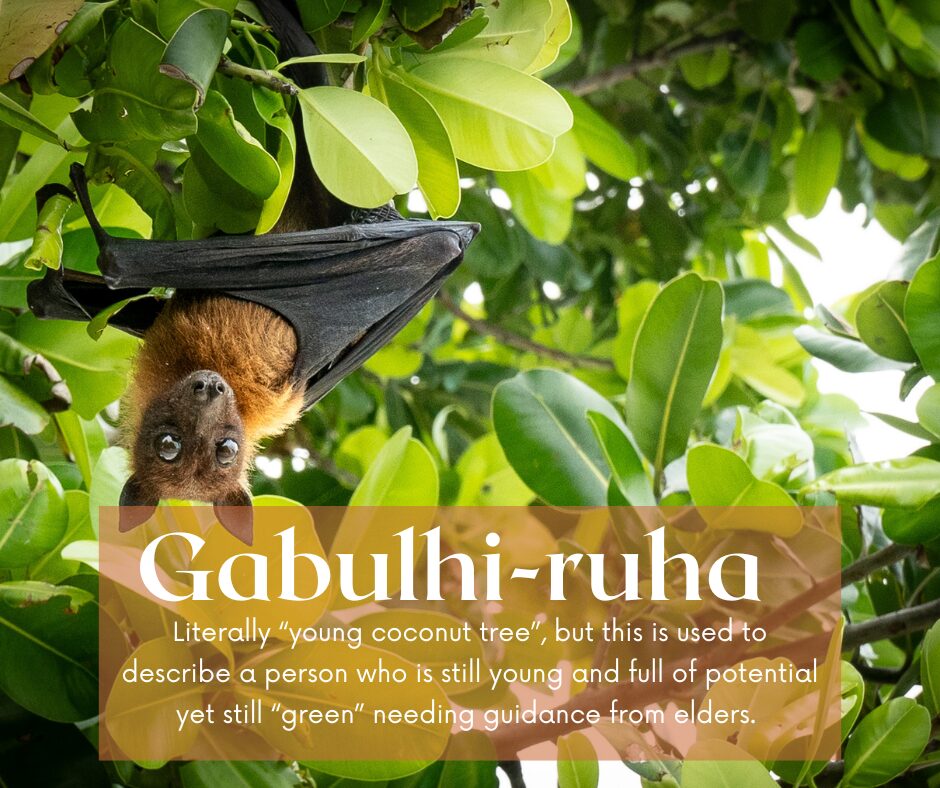
But what I find way more interesting than reciting random useful phrases is looking at the idioms of a language. These untranslatable words are commonly used to convey emotion and deeper meaning within a very specific culture.
Books to Read Before You Go (or On the Beach)
While this guide is a great glimpse into Maldivian culture, you can’t do better than books. While the Maldives doesn’t have an abundance of literature written about it, there are a select few that will help you better understand some of the complicated politics behind the beautiful country.
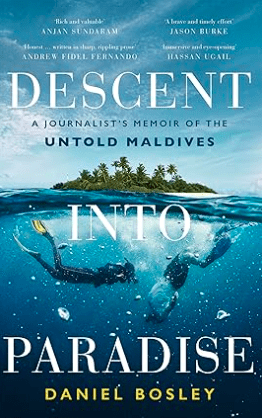
Descent Into Paradise: A Journalist’s Memoir of the Untold Maldives
The memoir shatters the “paradise” image, focusing on the nation’s struggles with autocracy, environmental degradation, and the rise of extremism
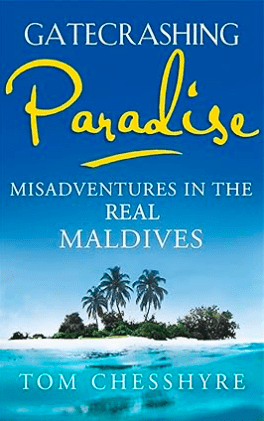
Gatecrashing Paradise: Misadventures in the Real Maldives
This is an island-hopping travelogue of the 21st century as the author travels to see the real, unexplored Maldives, skirting the archipelago’s periphery, staying at simple guesthouses, and using cargo ships and ferries. He discovers that beyond the glossy brochures lies an almost undiscovered country that is brimming with life, yet also a paradise teetering on the brink of trouble.
Cinema & Documentaries
These three different titles encapsulate each different aspects of the Maldives and would give some context to your trip if watched beforehand. Admittedly, unless you are a master streamer on online content, it might be challenging to find them, as they are from the Maldivian film industry. If you find yourself in Malé (which we all do at some point on a Maldives trip), you can also head to the Olympus Theatre for an evening screening of a Maldivian film.
What About Malé?
Everyone who travels to the Maldives will route through Malé. I found it to be a somewhat charmless clusterf*ck of buildings and development, at least upon first glance. It’s the financial epicenter and the only place in the country that really feels like a city. The airport you fly into is actually totally separate from Malé city itself. You have to take a short public ferry from the floating airport for under a dollar that takes you the 10-minutes across the pond.
Once there, it’s nice to take a wander. If you’re planning to visit numerous local islands on various atolls, you might even spend a night or two here when navigating the various (infrequent) local ferries.
Mahibadhoo is good for culture, too. It’s conveniently located next to Omadhoo, which is one of the local islands I loved the most. You should visit one of these large cities (or Addu) while in the Maldives, just to see what the “big” city life is like in this island nation. Today, 41% of the total Maldivian population lives in Malé.
UNESCO-World Heritage List: Friday Mosque in Malé
This 1600s-era mosque is the most ornate in the Maldives. Specifically, due to its coral structure (yes, made from actual coral), ornate traditional lacquerwork, and intricate wooden inscriptions.
What To Expect From Maldivian Cuisine
If you stay at a random big-name Maldivian resort, it is conceivable that you could spend a week or two in the country and not try a single dish of Maldivian cuisine. This is, unfortunately, the standard of these resorts. Which is such a shame because Maldivian food can be so great. It’s also the standard for these “international cuisines” to be insanly high priced as all of these ingredients have to be shipped from around the globe to these small islands.
A combination of South Indian, Sri Lankan, and Arab influences with absolutely zero pork and heaps of seafood. The “meat and potatoes” of Maldivian cuisine are fish (usually tuna), coconut, and roshi (bread). Spend any time in the islands, and you’ll see that ingredients are limited. You *might* find breadfruit, mangoes, papayas, bananas, watermelons, and cultivated crops like sweet potatoes, cassava, taro, eggplant, and chilies to supplement their diet. But most of it is provided by the coconut palm and the sea.
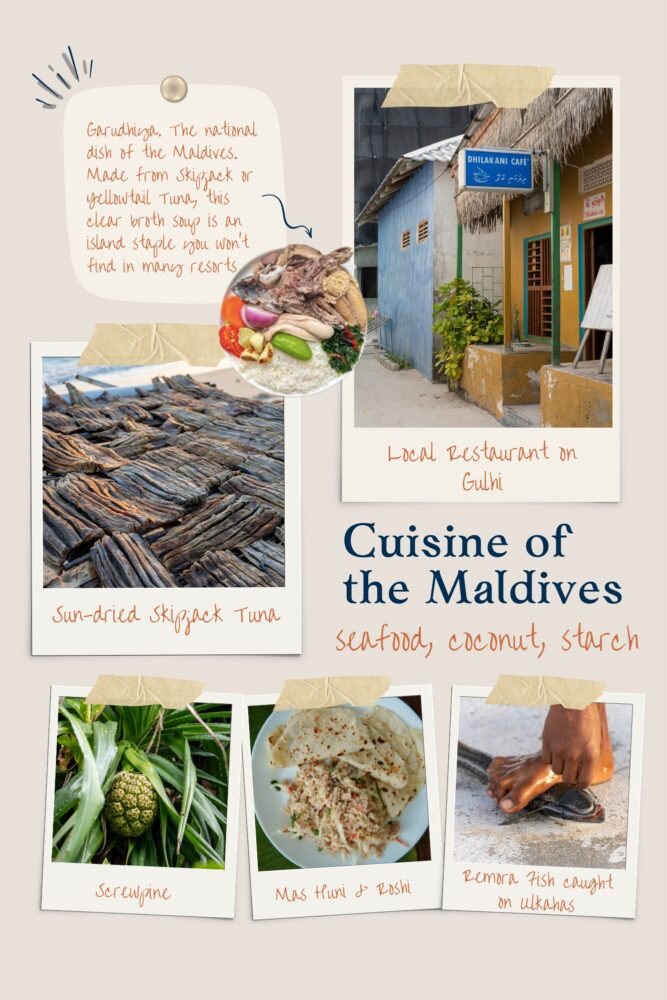
Potential Flavor Profiles: Maldivian chili (githeyo mirus), curry leaves, Pandan leaf, lime, onion, ginger, and garlic.
While food is typically simple in the Maldives and centers around Tuna, it’s delicious when you manage to find some.
Hedhikaa is translated as “short eats” and is similar to afternoon tea. This is an old-Maldivian tradition and typically includes tasty bites like….
- Kandu kukulhu: Spicy tuna cakes.
- Gulha: Deep-fried dough balls filled with smoked tuna, coconut, and onion.
- Bajiyaa: A samosa-like pastry filled with fish or vegetable curry.
Where to Eat Maldivian Food On The Islands
Every inhabited island has at least one local restaurant, sometimes doubling as a guesthouse, and they always have some great traditional Maldivian Cuisine on offer for breakfast, lunch, and dinner. Your own guesthouse will almost always offer to cook for you or, at the very least, serve breakfast in the morning. Both these options are great ways to try the local cuisine.
Traditional Breakfast: Mas Huni and Roshi. Mas Huni is made by mixing finely chopped smoked tuna (sometimes dried), freshly grated coconut, onions, lime juice, and chili to make a mix eaten with bread.
Seaplanes, Speedboats, & Ferries: Getting Around the Maldives
There are three main modes of transport in a country with more water than land.
Seaplanes
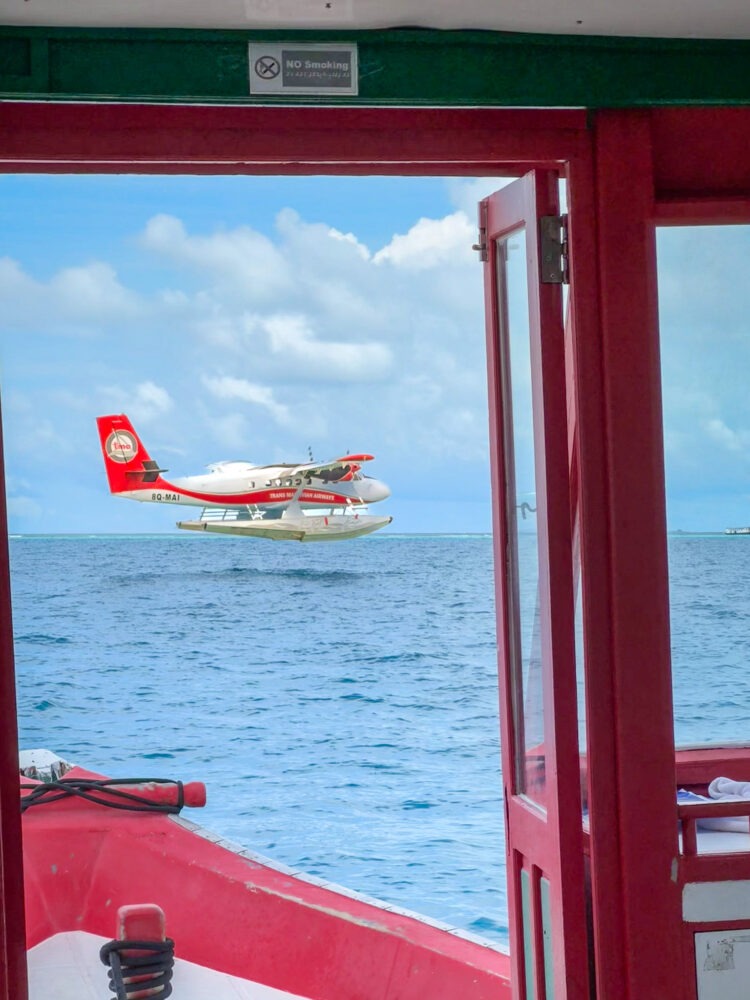
The Maldives has the largest fleet of seaplanes in the world. And arguably, the most incredible views. But they come at a high price and are mostly used by affluent travelers to island resorts.
Due to the sheer distance, many resorts only have seaplane transfers. These come at a cost of around $500-$700 a seat round-trip.
Speedboats
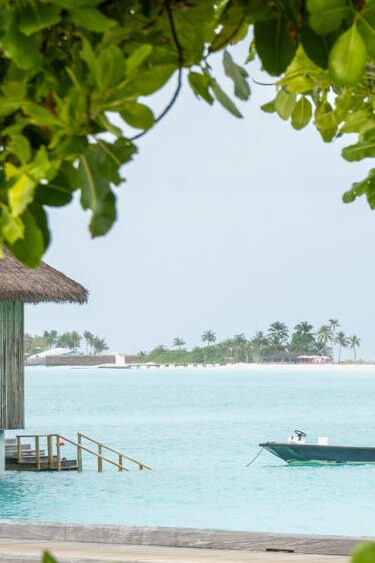
This is not a speedboat. The speedboats that ferry people between islands, both inhabited and resort, are much larger. But you get the idea.
Speedboats are the most common mode of transport for travelers. Costing about $60-70 a ride, they cut transit time in half, sometimes more. Many resorts (like Kuramathi) offer free transport on their speedboat.
Public Ferries
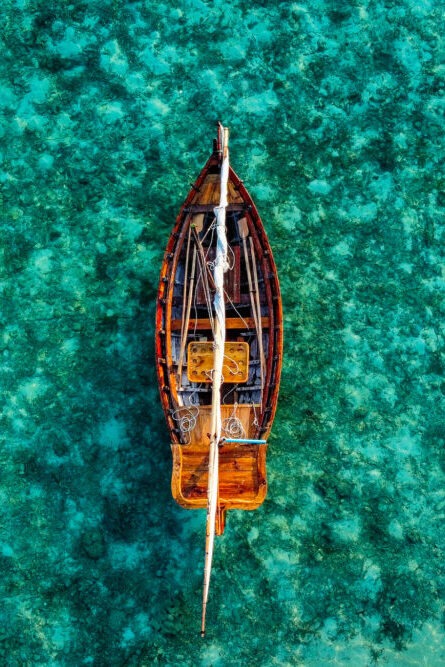
Again, this is a Dhoni, not a public ferry. They are far less romantic-looking.
For a sum of somewhere between $1-$10 (depending on the length of the ride), you’ll be able to join the locals transiting between inhabited islands. One ferry services one atoll, and the schedule can be quite sporadic.
You’ll likely use a combination of these modes of transport during your stay. The biggest hurdle will be decoding the public ferry schedule. If you plan to change atolls, you have to ride the ferry all the way back to Male and then alllllll the way down the atoll of your next destination. Often, schedules don’t match up nicely, which leaves you to spend a few days in Malé. Many travelers find it easiest to use public ferries and then supplement with speedboats (which run daily) when the schedule doesn’t go their way.
A Sense of Place in the Maldives
Let’s talk traditions. Because the Maldives has been inhabited for 2,500 years, with the last thousand or so being Islamic, and during the last 500 years, briefly passing from Portuguese to Dutch (indirectly) to British hands. All the times inbetween it was an Islamic sultanate as it is today. The country regained full independence in the late-60s, when the British Empire collapsed into itself, and kept tourists out until the early seventies, when the very first resort opened. (Kurumba Maldives)
Local islands didn’t begin allowing tourists in until 2009.
Here’s a quick overview of Maldivian traditions.
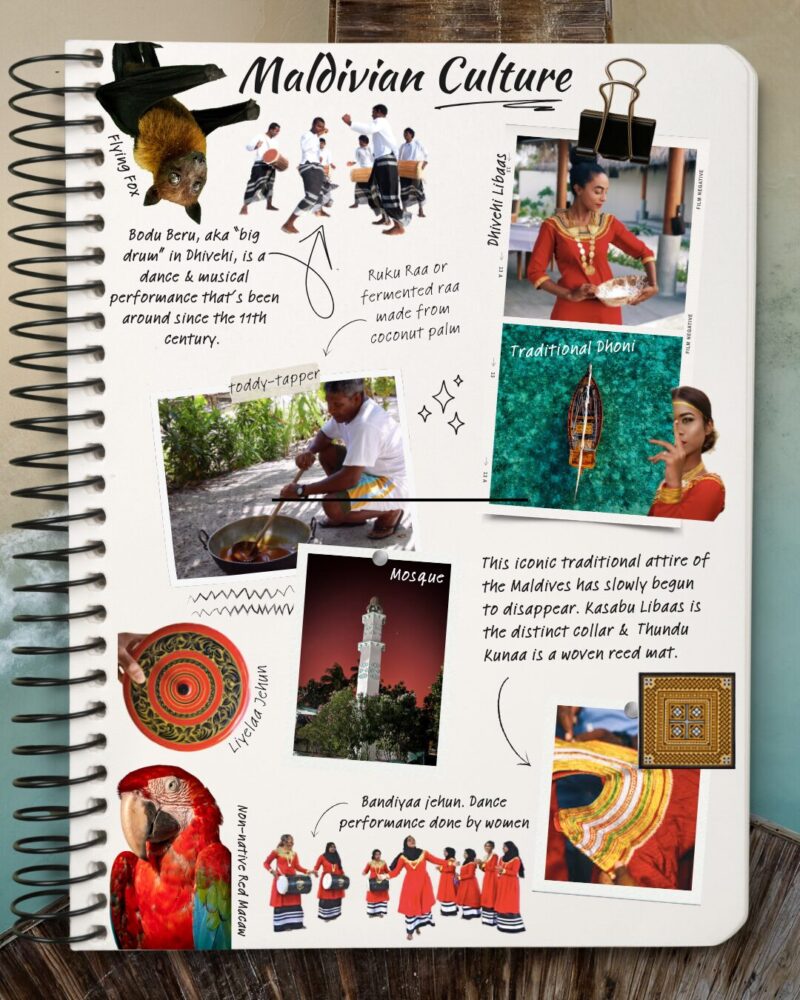
Hot Tip: If you’re interested in learning more about what life is really like on a local island, I highly recommend following native Maldivian @thelocalliving on Instagram.
Things You Can Do On Your Trip To Engage With The Culture
- Opt to go fishing with your guesthouse owner. Or seek out someone on the local island who offers fishing tours.
- Take a ride in a Dhoni. This is possible on many islands, Omadhoo being one.
- Visit the local mosques, not during prayer times, and always dress respectfully.
- Plan your trip during one of the local festivals like Ramadan, Eid al-Fitr (Kuda Eid), and Eid al-Adha (Bodu Eid) for Bodu-Beru performances.
- Buy some of the handicrafts, like the red lacquerwork and woven reed mats, at the Malé local market or Thulhaadhoo (it’s where most are still made today) if you plan your stay near here.
- Eat as much local food as you can.
- Find the nearest hotaa and ask for a bottle coffee. This is where Maldivians spend their time socializing on the local islands.
Rules To Follow When Traveling to The Maldives
As I’ve mentioned throughout this guide, the Maldives is an Islamic nation, and that most certainly affects the sense of place. The Maldives has been an Islamic country since 1150 AD. In fact, it’s among the oldest Islamic nations still in existence. This means there are a handful of customs you need to be aware of before your trip.
- There is no alcohol on ANY inhabited islands. Zero. Having traveled extensively in the Maldives, I get the yeahhhh no alcohol in the Maldives….*wink wink* questions often. But seriously, it’s not there. The closest thing you’ll get is Fermented Raa from the coconut palm, and it’s barely fermented. There is alcohol on the private resort islands.
- You cannot walk around in swimwear. Or skimpy see-through beach covers. You need to have your shoulders and knees covered when walking around the local islands. You can wear a bikini on the designated “bikini beach” but that is all.
- Friday is the holy day. It’s good to note this for yourself and also for boat schedules, which are often nonexistent on Fridays.
- Be quiet and respectful during prayer times when the muezzin calls from the local mosque.
- Respect nature! Aside from Islamic rules, you should also follow environmental ones. This means don’t touch things in the water and keep a respectful distance from wildlife. Never stand on coral.
- Drugs and Pornography are banned.
Other Blog Posts To Help You Plan Your Maldives Trip
Save This Immersive Maldives Guide For Later!