This post may contain affiliate links. This just means I may receive a small commission at no extra cost to you for helping them promote their product or service. I don’t endorse any services I don’t personally use or recommend.
I could wax poetic about how Tsuruoka is “Kyoto without the crowds” and an “undiscovered hidden gem,” but the truth is that most Japanese people know about and love Tsuruoka, and it’s kinda its own thing. It just hasn’t broken onto the trodden tourist trail yet. While foodie favorites like Fukuoka, heavy-hitting historical cities like Hiroshima, and Hokkaido for the ski-bums have started to make an appearance on Japan travel itineraries, Tsuruoka is still farrrr back of the pack when it comes to tourism numbers.
But obviously, this is part of the appeal. And I don’t think this little blog is going to destroy it. Because visiting Tsuruoka takes a little bit of extra effort, and if you’re not curious about the unique local culture, UNESCO-recognized cuisine, and Shinto Buddhist mountain hikes, why would you waste your precious time?
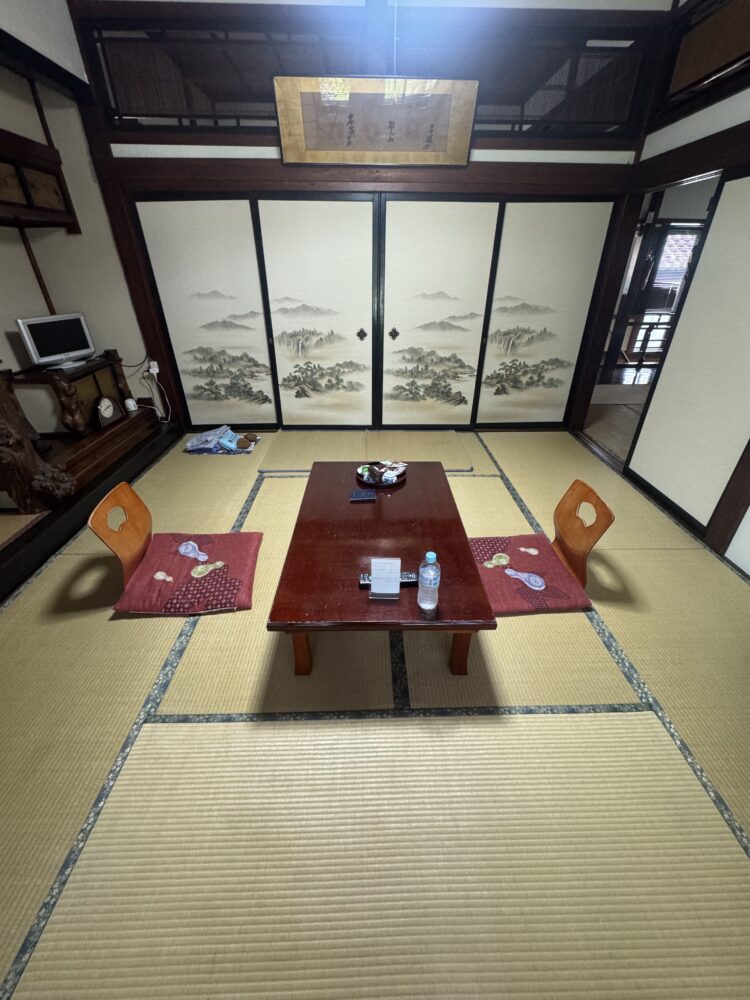
This seaside mountain village was THE place to visit if you were a religious devotee during the Edo period in the 1700s. More than 150,000 people visited the town and stayed in the numerous lovely Ryokan that were sprouting up left and right in response to the huge number of pilgrims.
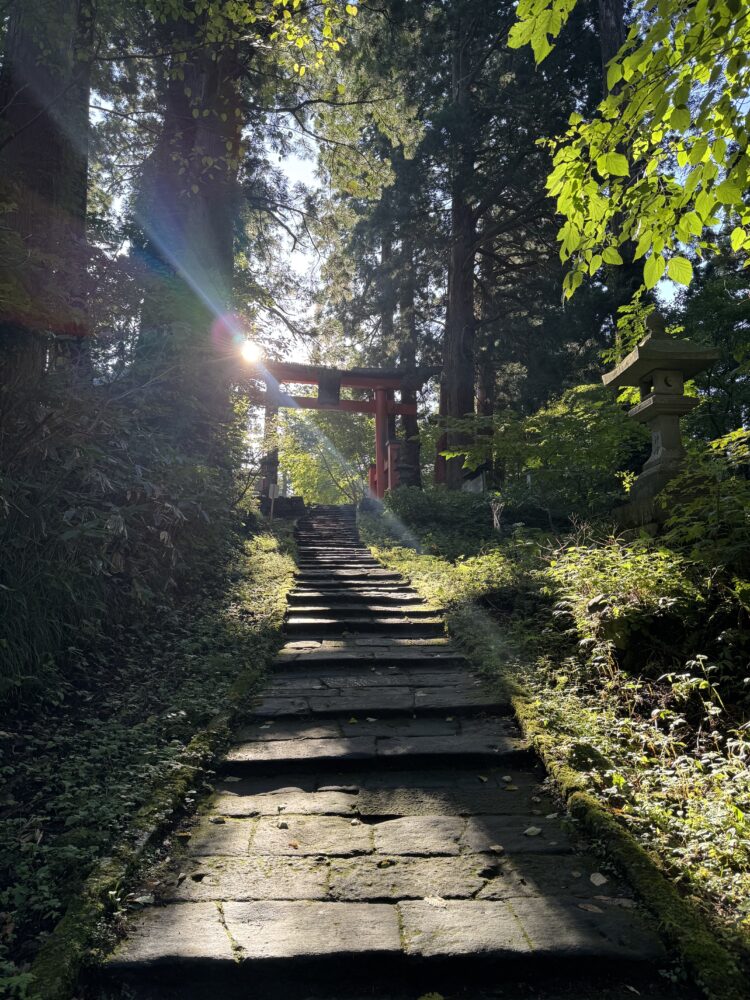
Today, however, a foreign tourist is a rare sight. And any tourist visiting during the week, rather than a weekend, might just find themselves all alone.
Let’s take a look at everything you need to know to plan the perfect visit to Tsuruoka, Japan today!
Reasons to Add Tsuruoka to Your Carefully Curated Japan Itinerary
First, let me sell you on this specific side quest. The town of Tsuruoka isn’t really doing much for anyone. It’s large, low, and mainly residential. To my eyes, it’s rather empty. It’s just fine if you find yourself with a bicycle (you should) and set out to explore the flat landscape and quiet neighborhoods. But it’s really the attractions and culture that shine here rather than any specific landmarks.
Here are a few reasons to venture over to Tsuruoka on your next Japan visit.
- It’s a UNESCO-recognized city of Gastronomy. Foodie culture is unique here.
- a next-door neighbor to Dewa Sanzan (one of the most popular Shinto pilgrimage sites).
- hosts some of the most affordable and lovely Ryokan-stays in Japan.
- the surrounding scenery is incredibly lush green mountains or the rocky coastline of the Japan Sea.
- and it’s a prominent Sake-producing region, which means tasting rooms and distilleries are everywhere.
Where Exactly is Tsuruoka, Japan
Tsuruoka sits in Yamagata Prefecture, just North of Tokyo. The whole area has a lot to offer in terms of food and nature. It’s known as the Fruit Kingdom of Japan for one, producing more than 70% of the country’s cherries (hello cherry blossoms), it’s also got hot springs, cliffside temples, and loads more.
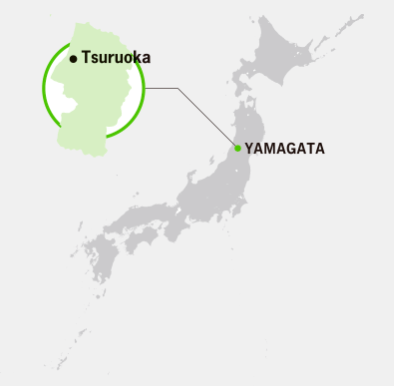
Most importantly, this means that you can tack this on to your visit to Japan with ease if you plan to fly into or out of Tokyo.
How to Reach Tsuruoka, Japan From Nearby Destinations
There are three likely places you might find yourself before heading to Tsuruoka. Tokyo, Yamagata City (if you’re diving into the prefecture), or Niigata.
I’m going to preface this whole section by suggesting that you drive. Rental cars in Japan can be as low as $35-$40 per day, roads are excellent, and all you need to drive legally is a valid driver’s license from your country and an “international permit,” which you can nab online here. I suggest this because transport is the most expensive/time-consuming part of a trip to Japan, and if you don’t plan ahead, all the convenient options can fill up fast. Besides, Yamagata Prefecture is lovely and perfectly suited for a road trip, as many of the sights, even in Tsuruoka, are quite far away from one another.
But if that doesn’t suit you, then…
From Tokyo
Option 1: Fly into Shonai Airport from Haneda Airport in Tokyo. (~$100 per person + requires advance booking)
This is a domestic airport about 20 min outside Tsuruoka.
Option 2: Take the Sunset Express from Shinjuku/Shibuya directly to Tsuruoka. ($60 per person)
This is a great option because it takes you directly into the city of Tsuruoka, not the outskirts, and is even cheaper when you consider you won’t have to pay for a night of accommodation, since you’ll be on the bus. It departs Tokyo at around 10-11 PM and arrives between 5 AM and 6 AM. This is the one you’ll need to book a few weeks in advance if it’s even remotely close to high-season. I’ve linked the website with info on this bus and the return trip back to Tokyo here.
Option 3: Take a bullet train or Shinkansen to Niigata and follow directions from there. ($70 per person for just this leg)
Bullet trains are a fun, fast, and efficient Japan experience. And if you’re a wing-it kind of traveler, probably the only option available to you. But the only bullet train goes to Niigata or Yamagata City. You can choose either (Niigata is more direct), and then follow the transit options below.
A Quick Note On Trains: If you plan to bop around Japan by train in a short period of time, it might behoove you to get the JR Rail Packages (offered on 12.GoAsia for cheap). This one lets you travel on unlimited trains for $175 in Yamagata Prefecture for 5 days.
From Niigata
This journey is quite simple. You want to pop onto the local train, either directly (~2 hours) or with one connection (~3-4 hours), depending on the time of day you head out. This only costs around $15-$25 per person. Google has a very accurate timetable of the different trains if you don’t want to just show up at the station.
From Yamagata City
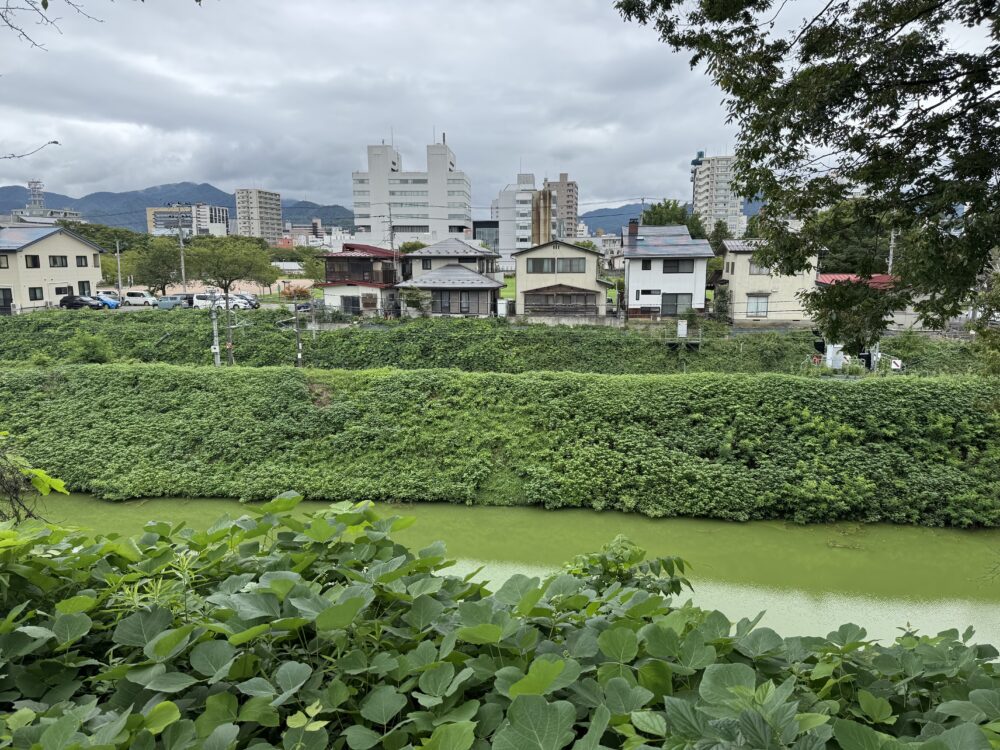
This is the way I went to Tsuruoka. Mostly because I wanted to explore a little bit more of the Yamagata Prefecture before venturing to the seaside. I loved Yamagata City and highly recommend popping to Sakaeya Ramen for a bowl of their staple cold ramen.
Take the Express Bus from Yamagata City Station directly to Tsuruoka. It costs only $15 per person and takes a little under 2 hours.
This website was very helpful in breaking down the different options for us.
Where to Stay in Tsuruoka
These are my two recommendations for places to stay IN Tsuruoka. You really only need one, maybe two, nights in the city itself.
Guesthouse Wata Usagi
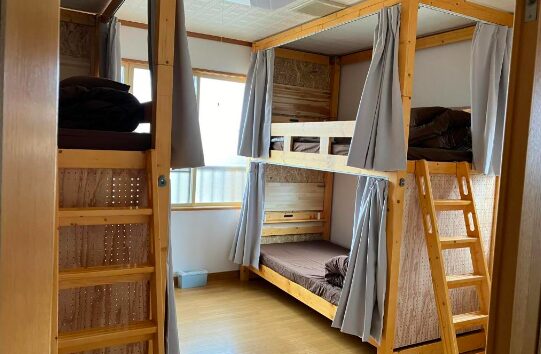
This is the most budget-friendly place to stay in Tsuruoka city. It’s a hostel with cheap bike rentals and clean bunks. There will be a handful of fellow travelers there, too, which makes it great for people who are solo. The kitchen area is huge for those who want to do some cooking (although in a city of Gastronomy— why). The only but is that it’s rather far away from most things in town, so your own transport or a bike rental is needed.
Tsuruoka Ginza
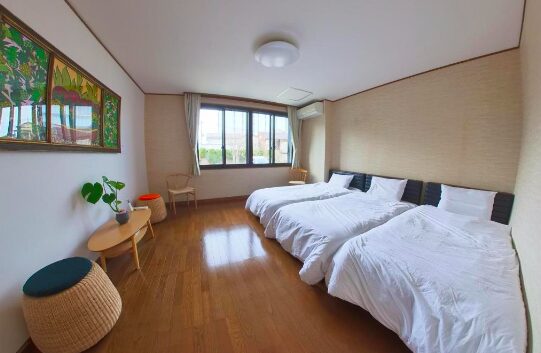
This spacious apartment, on the other hand, has great reviews and is reasonably priced for a private room that sleeps SIX people. Whether you’re a family or a small group of friends, this room is right in the heart of town, walking distance from all the best eats and Tsuruoka attractions (as well as the bus and train station).
Best Places to Eat in Tsuruoka
Obviously, as a UNESCO-designated city of Gastronomy, there are many incredible places to eat in town. But they are more difficult to find than you might imagine. Unlike the food-packed streets of Osaka and Tokyo, I found Tsuruoka to be challenging to navigate with eyes only. You won’t be able to stumble in off the streets to a top-notch meal. You’ll probably need this list, and in most instances, a reservation.
Fortunately, the city of Tsuruoka has done the heavy lifting for you, outlining the most culturally important places to eat on this map.
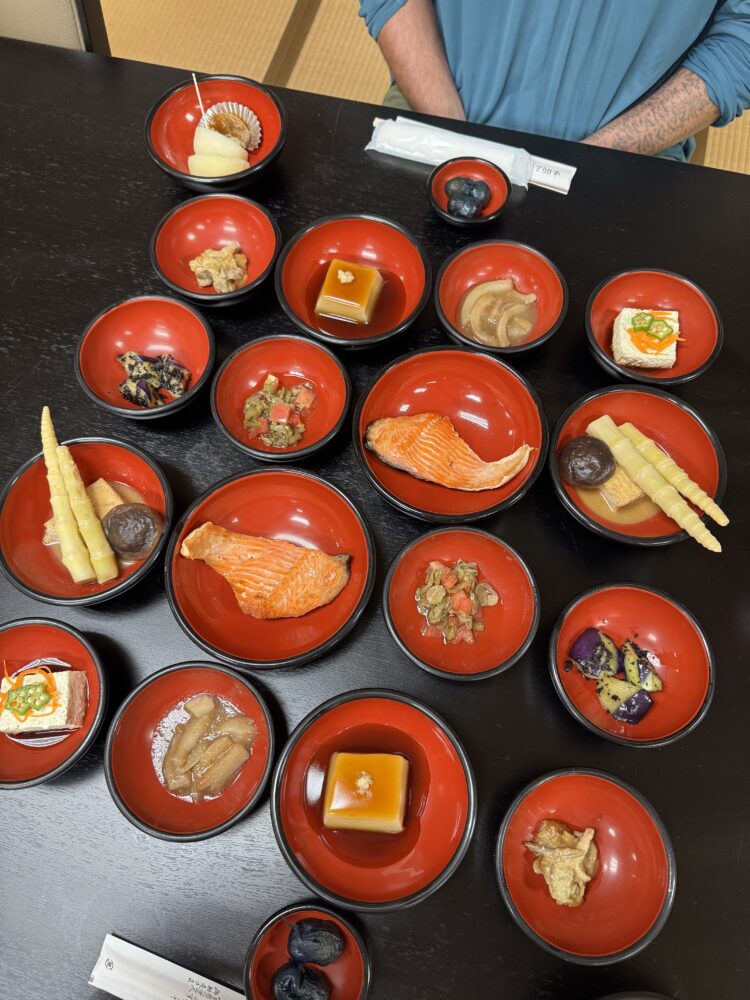
The three meals you MUST try are a Shojin Ryori from a Ryokan (I have a suggestion below in the Dewa Sanzan portion of this guide), a farmer’s meal (this is the kind of meal that gave the city the foodie fame), and some local sushi as mountains meeting the sea is kinda what makes the town so unique.
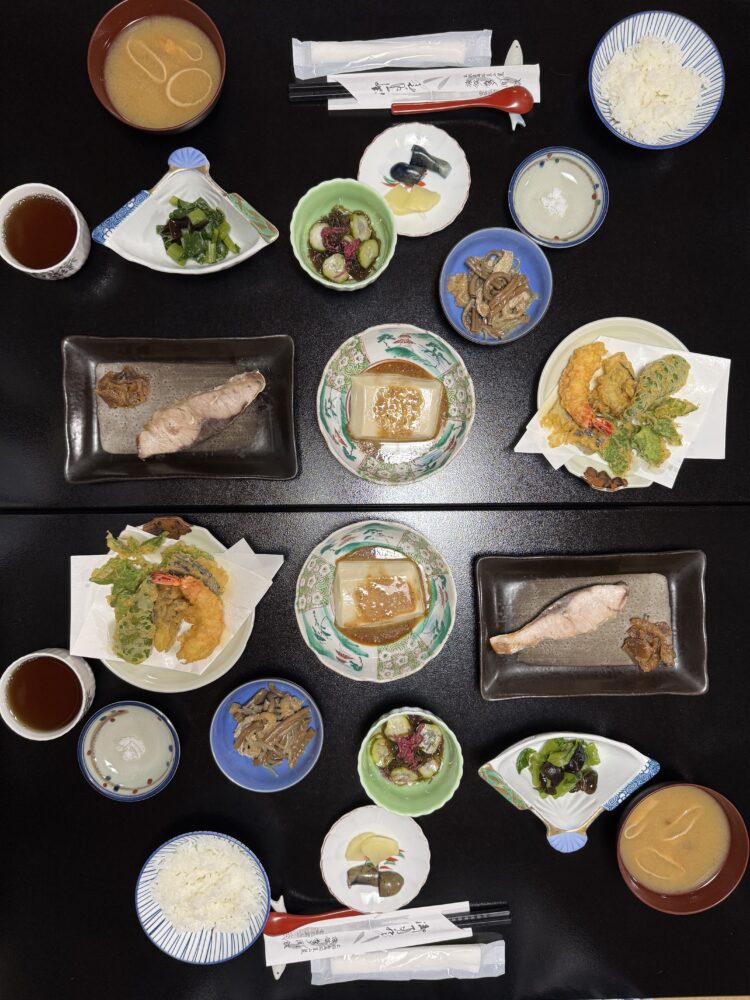
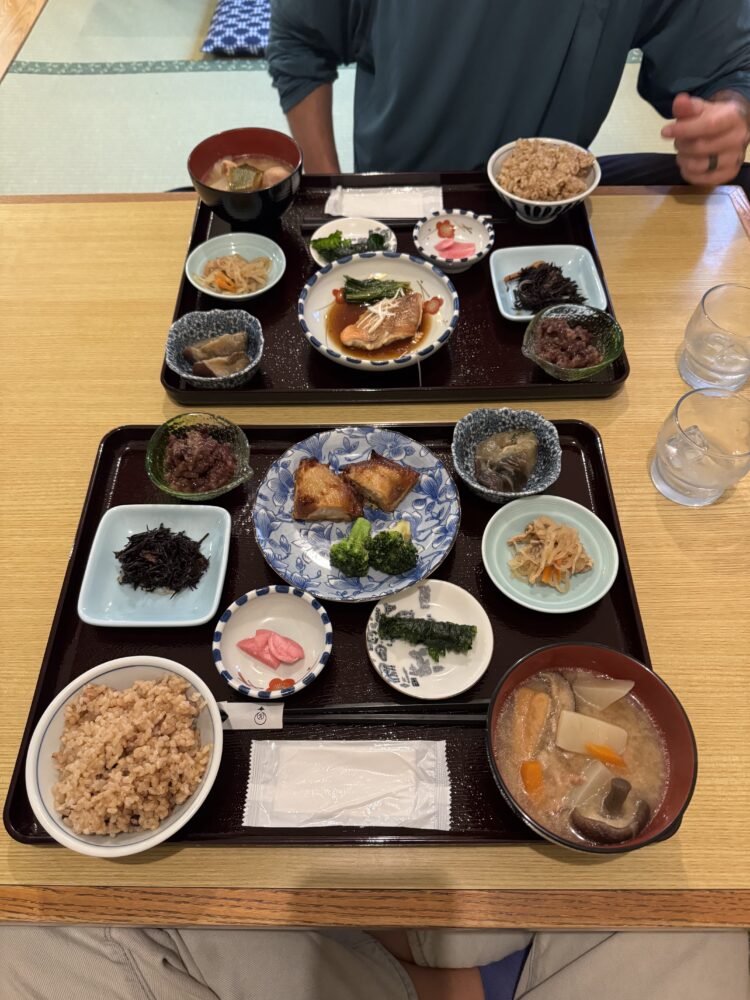
My absolute favorite place to eat in Tsuruoka is お食事茶屋 ふろむ亭. You’ll get the regional cuisine as well as some incredible sprouted brown rice and the sesame tofu everyone raves about. On Google, it currently says “permanently closed,” but I refuse to believe this is the case and am hoping it’s a seasonal or temporary closure — so please check!
I also really highly highly recommend making a reservation at Yugao for dinner. This place is teeny tiny with mostly counter seating that serves regional cuisine and sake, but you MUST have a reservation, and you eat whatever the woman behind the counter wants to cook. We got turned away when we showed up at the door unannounced. It’s just too small a space for walk-ins.
Don’t Forget About the Sake…
Thanks to the high-quality rice from the Shonai Plains, clear snowmelt water, and cold winters, Tsuruoka has been producing some of the country’s highest-quality sake for hundreds of years. Some of the breweries still functioning today have been around since the 1770’s. (Fuji Brewery)
Here’s our little list of some favorites:
- 渡會本店. The closer proximity to the ocean makes it a great choice for when you’re visiting the coast.
- Ayatsuru Sake Bar. City center and more budget-friendly.
- Take no Tsuyu Sake Brewery. Scenic area.
- 奥羽自慢㈱. South of the city.
- 亀の井酒造㈱. Out towards the Dewa Sanzan temples.
- Fuji Brewery. The oldest and most famous.
Things to Do in Tsuruoka
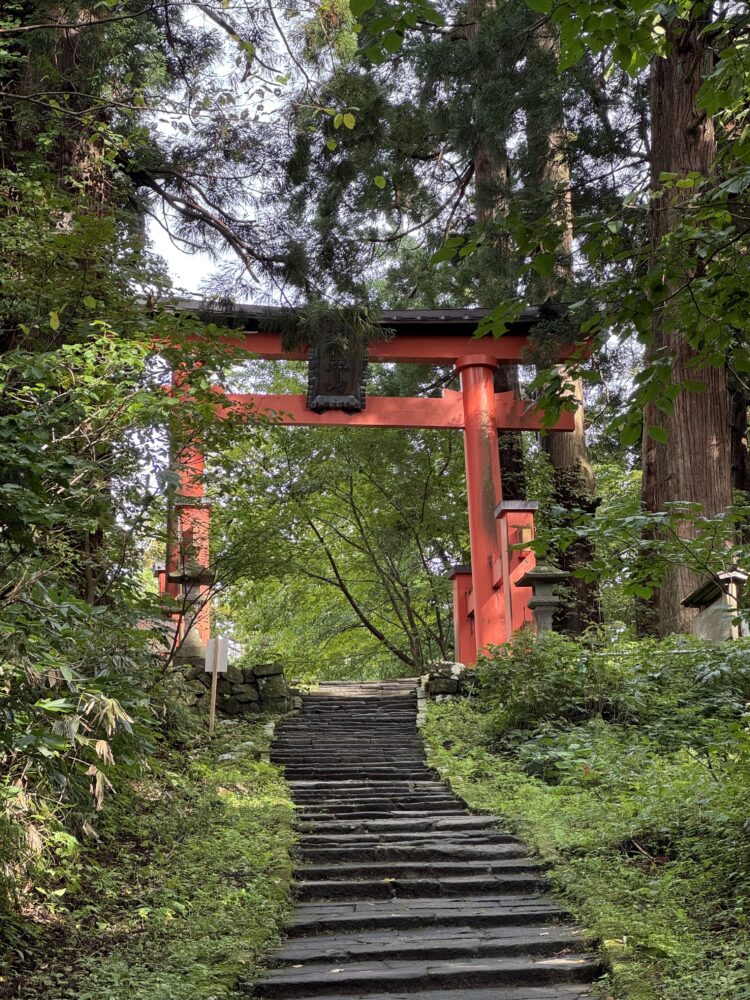
When it comes to novel things to do in Tsuruoka, food and sake pretty much cover the bulk of it. If you have your own car or mode of transport, you can cruise along the seaside and enjoy the natural scenery.
If aquariums are your thing, Tsuruoka has one of the largest collections of jellyfish. Kamo Aquarium is seasonal, so be sure to check if it will be open during your stay.
I highly recommend renting a bike and exploring the boundaries and quaint neighborhoods of Tsuruoka itself. The city is enclosed on all sides by very pretty natural landscapes, and as it’s so flat, it’s easy to navigate on a bike.
By far the biggest draw to Tsuruoka, as I have mentioned numerous times in this blog post, is Dewa Sanzan. AKA the Three Sacred Mountains of Dewa. Haguro-san, Gassan, and Yudono-san.
A Quick Guide to Dewa Sanzan and Planning the Perfect Mountain Stay
You need at least 2-3 days to experience this mountain fully. And even then, you can’t get the full Dewa Sanzan experience. Connecting the spires of the three peaks is a long walking path that guides you through the temperate forests, home to bears and raccoon dogs (a Japanese favorite), with numerous temple stops along the way. Most visitors don’t do the entire trek as it can take 3 full days (with expensive mountain ryokan stays along the way) and can only be completed from July-Sept when Mt. Gassan isn’t topped with snow.
You can, however, do a few treks and indulge in a mountain ryokan stay quite easily.
The most popular and temple-decorated is Mt. Haguro, which can be done in as little as 90 minutes. We trekked up and down the mountain a few times to take photos of the numerous temples and enjoy the scenery (peace and quiet) since we stayed at Saikan, an incredible and authentic ryokan/pilgrimage stop for trekkers along the path.
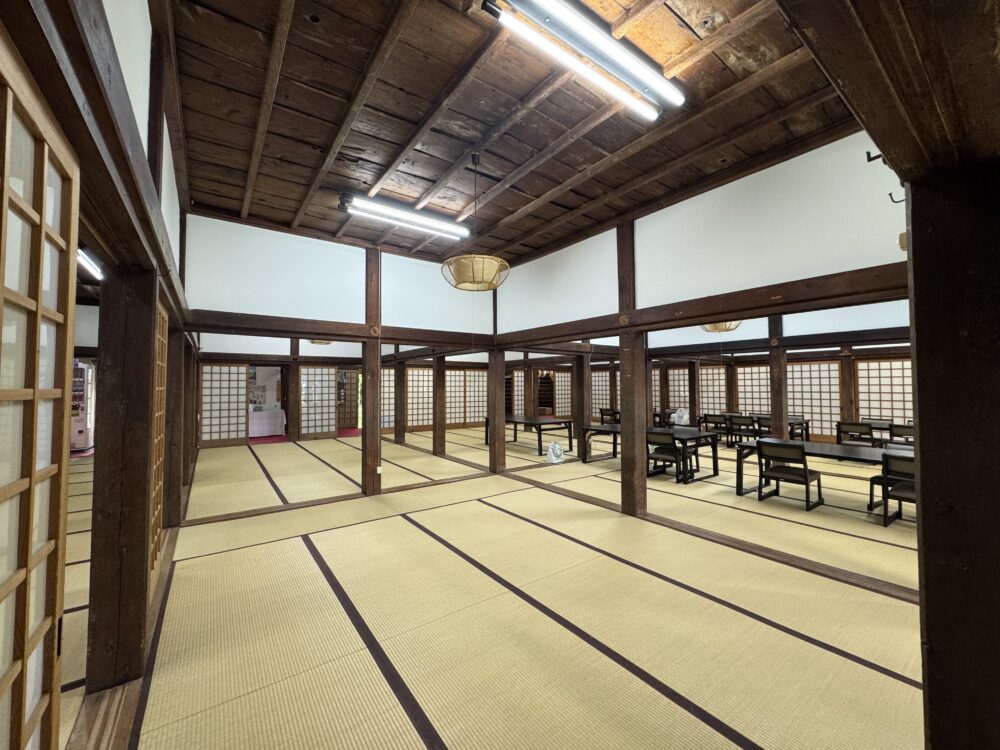
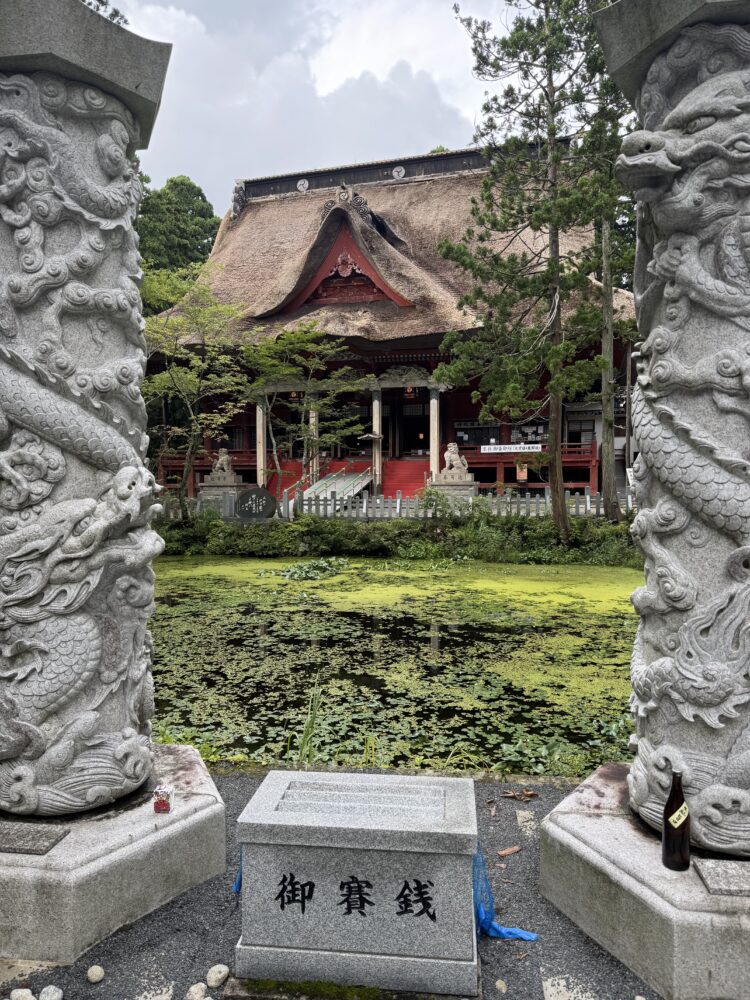
You should absolutely book a stay and enjoy a Shojin Ryori meal while you’re there. If you’re on a tight budget, I totally understand, and you should still pop in for a meal if possible. Shojin Ryori is a vegan Buddhist cuisine made from ultra-local ingredients and served in a style similar to Keiseki (if you’re familiar with Kyoto cuisine). It’s part of what makes Tsuruoka so culinarily special.
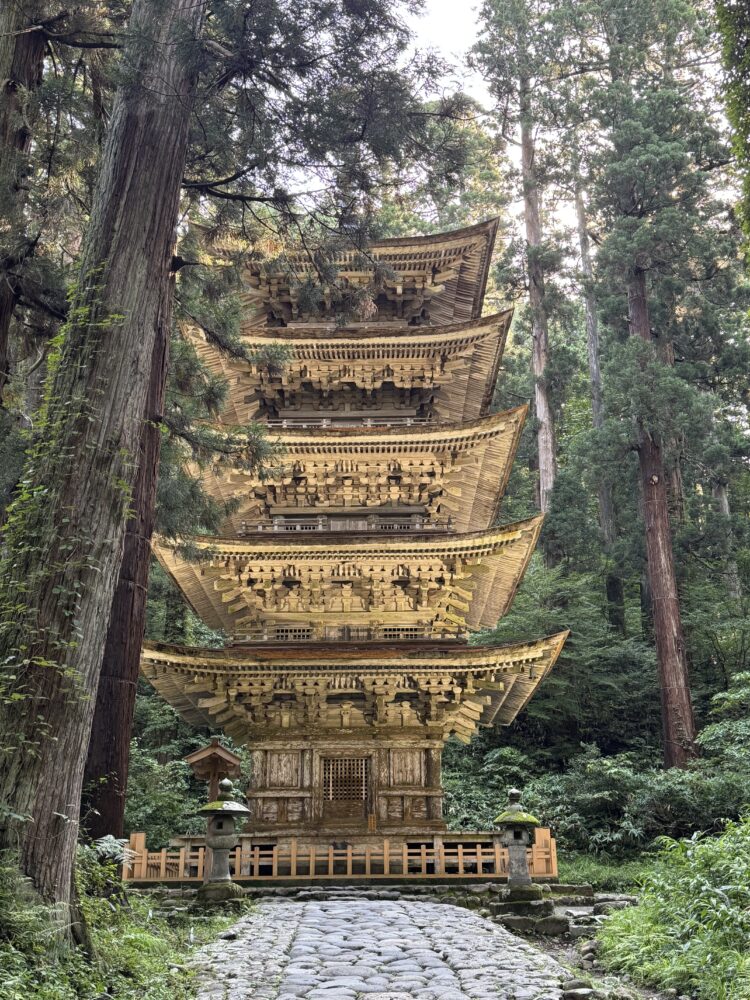
Otherwise, the most important sights to see are the 5-story pagoda, the cedar forest path, and the Sanzan-gosaiden shrine on Haguro. Yudono-san Shrine (red gates) and Sokushinbutsu with the “self-mummified” monks (although this is technically disputed), but still very cool. Midagahara Wetlands on Gassan looks like a fun, easy loop too.
Tamonkan
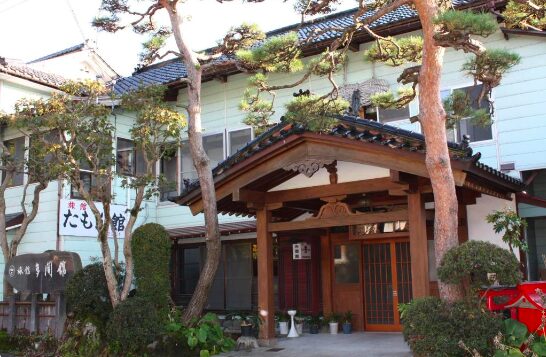
Tamonkan is my top pick. Not only is it a great place to enjoy a traditional Shojin Ryori, but it’s one of my favorite stays in Japan. The host is incredibly kind, and the onsen was a good soak (albeit not scenic). This stay is at the foot of the mountain, not on the mountain itself, so you can take the bus directly to it.
Saikan
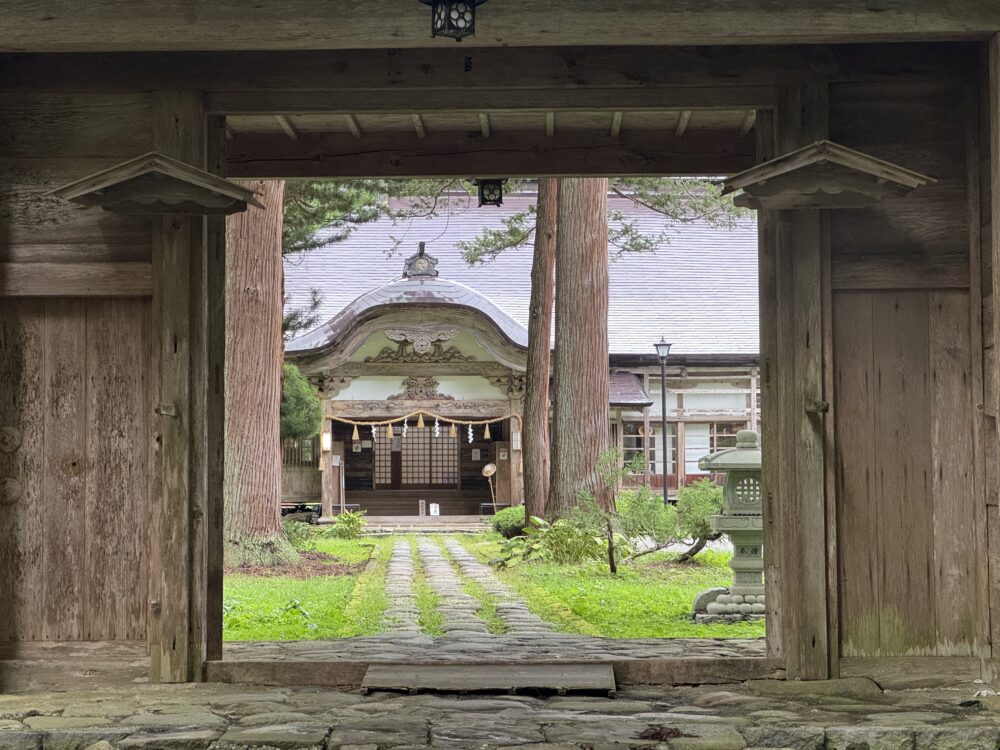
You only need one night here to experience the magic. But honestly, I could have stayed here far longer. It’s at the top of Mt. Haguro and so peaceful and nature-centric, I spent hours sitting outside and watching praying mantis in the garden. Also, staying here allows you to have the temples to yourself in the morning and evening. Opt for the dinner + expect basic Ryokan rooms.
Booking here is a challenge for foreigners. The best way to do it is to contact TsuruokaDewa on Instagram via message, and they can help you right away.
Some Quick Tips for Visiting Tsuruoka
- Getting around Tsuruoka and Dewa Sanzan is quite a challenge without a car, as the buses are not always frequent. This guide is super helpful for getting around the Dewa Sanzan area. For Tsuruoka town, I wouldn’t expect buses to run outside of 7 AM – 4:30 PM in all areas of the town.
- I never really utilize tourism centers or offices because I try to avoid commercial tourism whenever possible, BUT Japan’s are surprisingly helpful (especially when it comes to transportation). The Tsuruoka office is here, inside the bus station, and you should stop in to get a paper bus schedule at the very least. They show all the routes for the Dewa Sanzan area too.
- Tsuruoka is a very local spot. Be on your best tourist behaviour.
Tsuruoka is Japan’s Most Underrated Nature Destination
If you’re looking for a town undisturbed by mass tourism with foodie and nature-enthusiast appeal, Tsuruoka is the place for you! While Japan is one of my favorite travel destinations, it’s become too popular in the last few years. We need to spread the love to some of the other equally lovely Japan destinations (like Tsuruoka). If you’re looking for a budget travel trip to Japan or a luxurious one, this town has something to appeal to you.
Save This Post For Later!